I did not really get to see a lot of art in galleries growing up.
I only began to go to galleries when I had to cover shows for work starting in 2016. I developed a relationship with art only because of social media which made art much more accessible to me. It also allowed me to develop my visual style because for the first time I was able to study it.
I only began to go to galleries when I had to cover shows for work starting in 2016. I developed a relationship with art only because of social media which made art much more accessible to me. It also allowed me to develop my visual style because for the first time I was able to study it.
I found my way into the world of online art because of the very popular genre of relatable comics made by the likes of Gemma Correll, Nick Seluk, and Matthew Inman. In fact, I began my practice trying to emulate that kind of wit and self-deprecating humour.
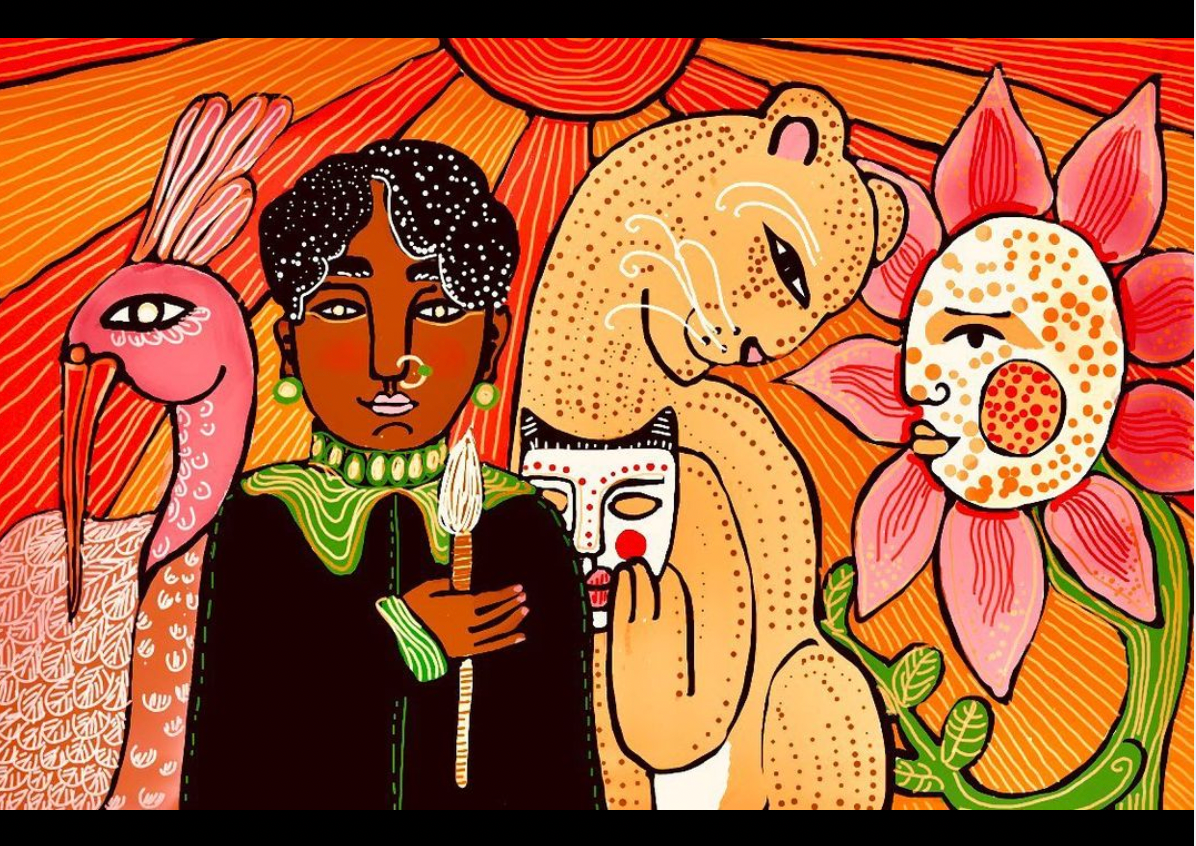
But gradually, I discovered a wealth of creators whose work was very different from the comics. Especially important and immediate influences were a community of South Asian artists and illustrators who were my friends or acquaintances, or creators that I knew of through friends. A bunch of our works and styles have been in conversation with each other in the last three or four years and I believe it has created an illustrative voice that is immediately recognisable. One of my best friends, Alia Sinha, has been one of my closest collaborators over the years and my practice has greatly benefitted from observing her work so closely. Some of the other illustrators and designers are Kruttika Susrala, Krutthika NS, Upasana Agarwal, and Ita Mehrotra. Their work is bold and unapologetically feminist and political, critiquing both society and the establishment.
My love of metaphors has a long history. For my MA dissertation at Jawaharlal Nehru University in Delhi, I wrote about how metaphors were instrumental in the creation of stereotypes studying cartoons from the British satire magazine Punch. I have also been a great fan of visual metaphors in comics – particularly Yuko Shimizu's work. Similarly, in film and TV, I find Mike Flanagan's metaphors very subtle and elegant.
More recently, I have been mesmerized by Leonora Carrington's work after having seen some of it in galleries. The dreamlike bizarreness is so compelling that I feel an immediate need to excavate them.
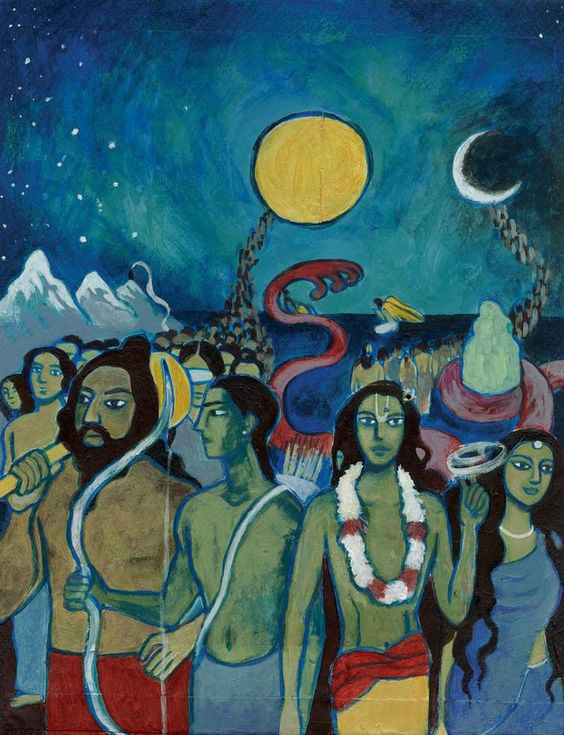
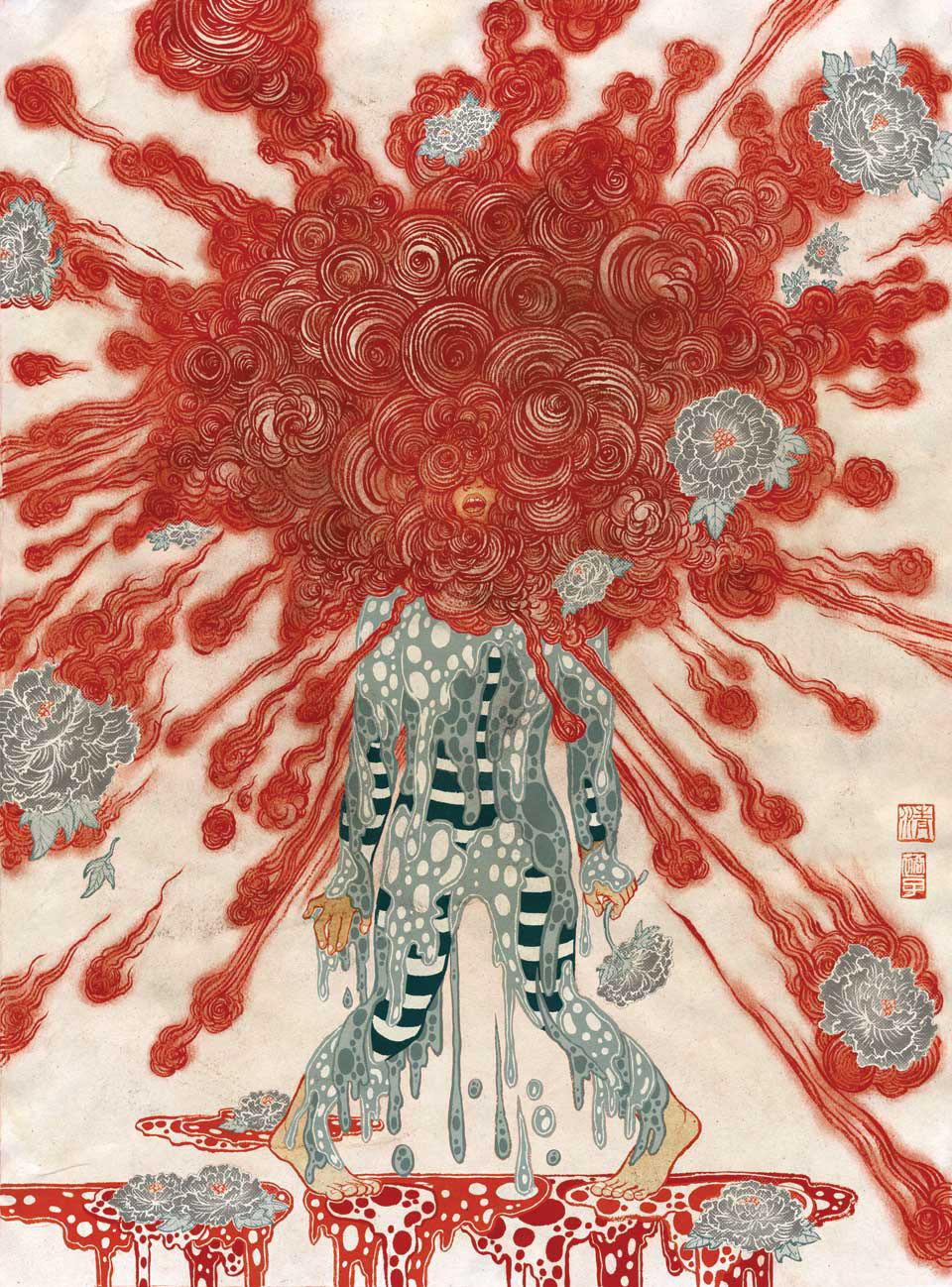
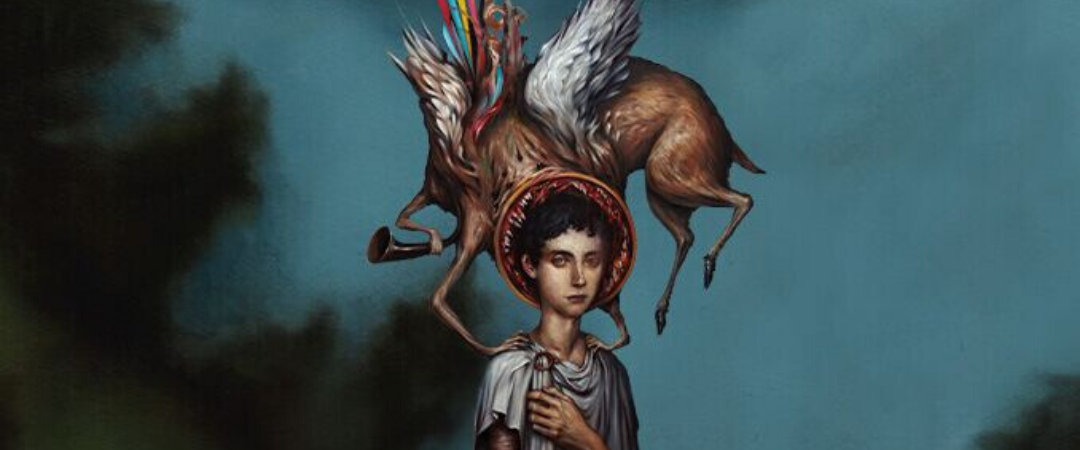
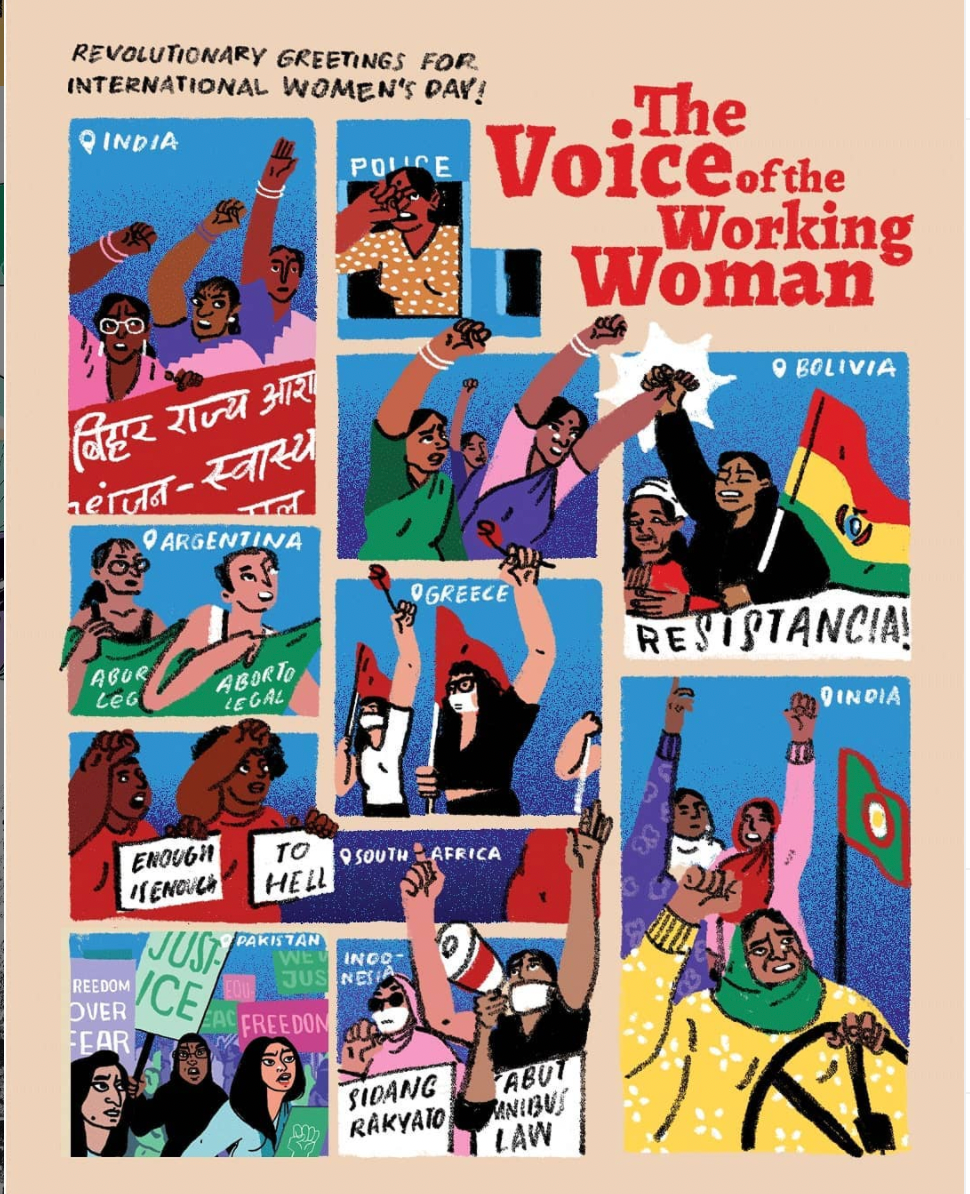
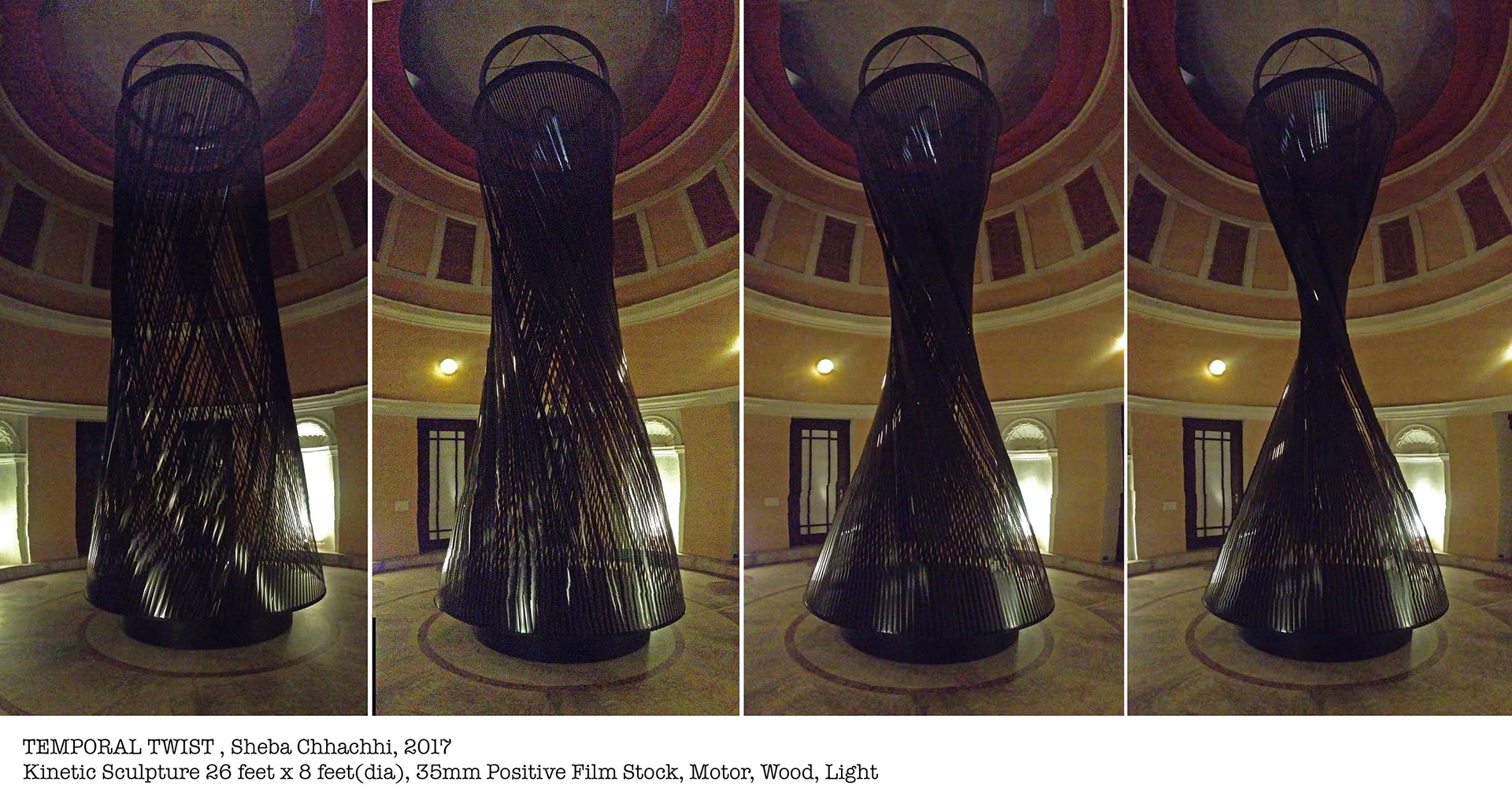
I have also been exploring the metaphors that build large installations. A good example is The Tower of Babel by Cildo Meireles and another work I saw a few years back, called Temporal Twist, by Sheba Chhachhi. Both use complicated structures of meaning that are reliant on external references. I have been quite intrigued by both these works and I drew on some of these structures when trying to build the Cerebral Circus.
Finally, I would be remiss if I did not mention the millions of video games I play that have directly influenced the design of the Cerebral Circus. No metaphor works quite as well as the one where lived experience becomes a game. I was thinking of this particular game called Guildlings when working on the Cerebral Circus.
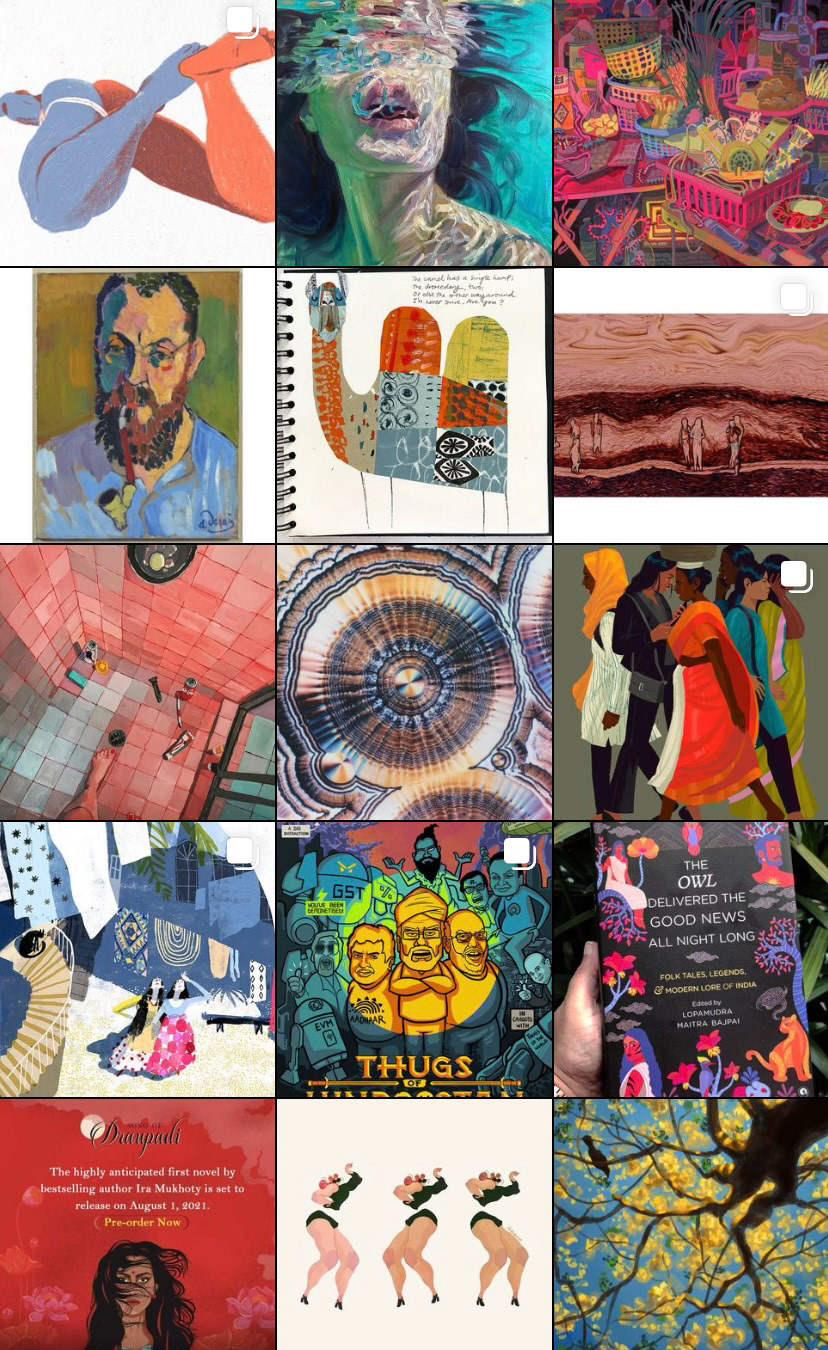
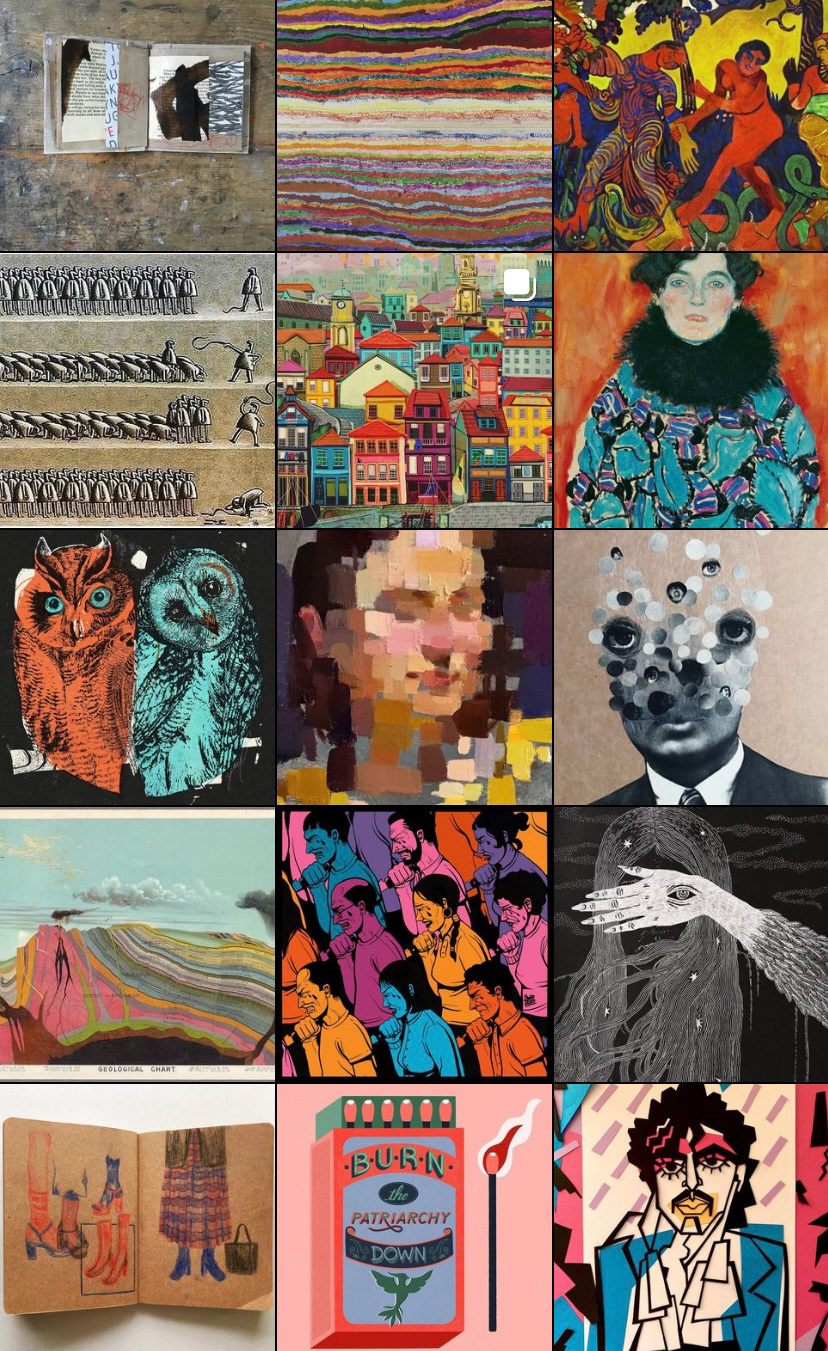
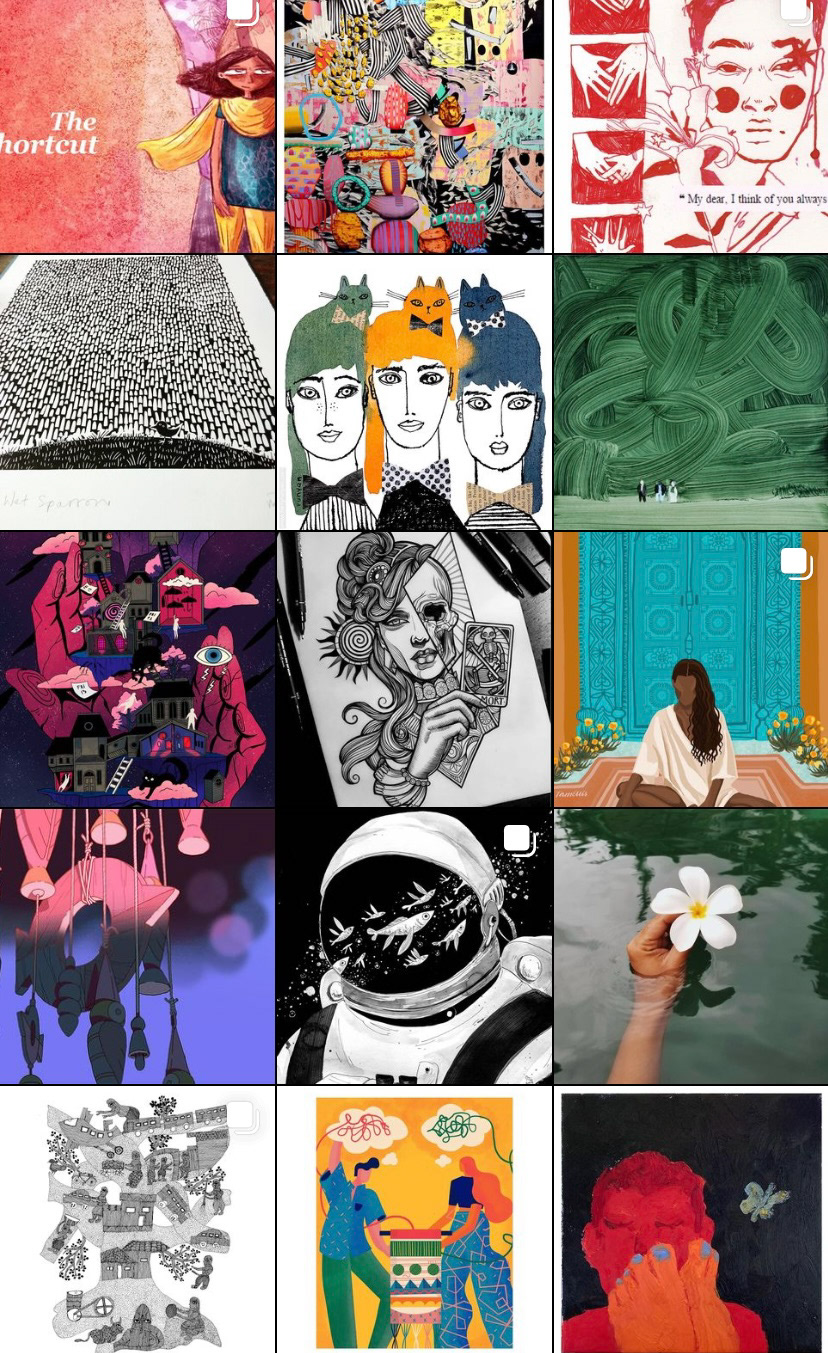
Images from social media that I save to learn from or revisit.