
Overview
In 2017, I began working on a graphic narrative to document my experience of living with poor mental health. I found comfort in transforming my experiences into fantastical metaphors as I tried to make sense of them. I was made acutely aware of my context in the process – both privilege and disprivilege. Much of my practice is a continuation of this thought process.
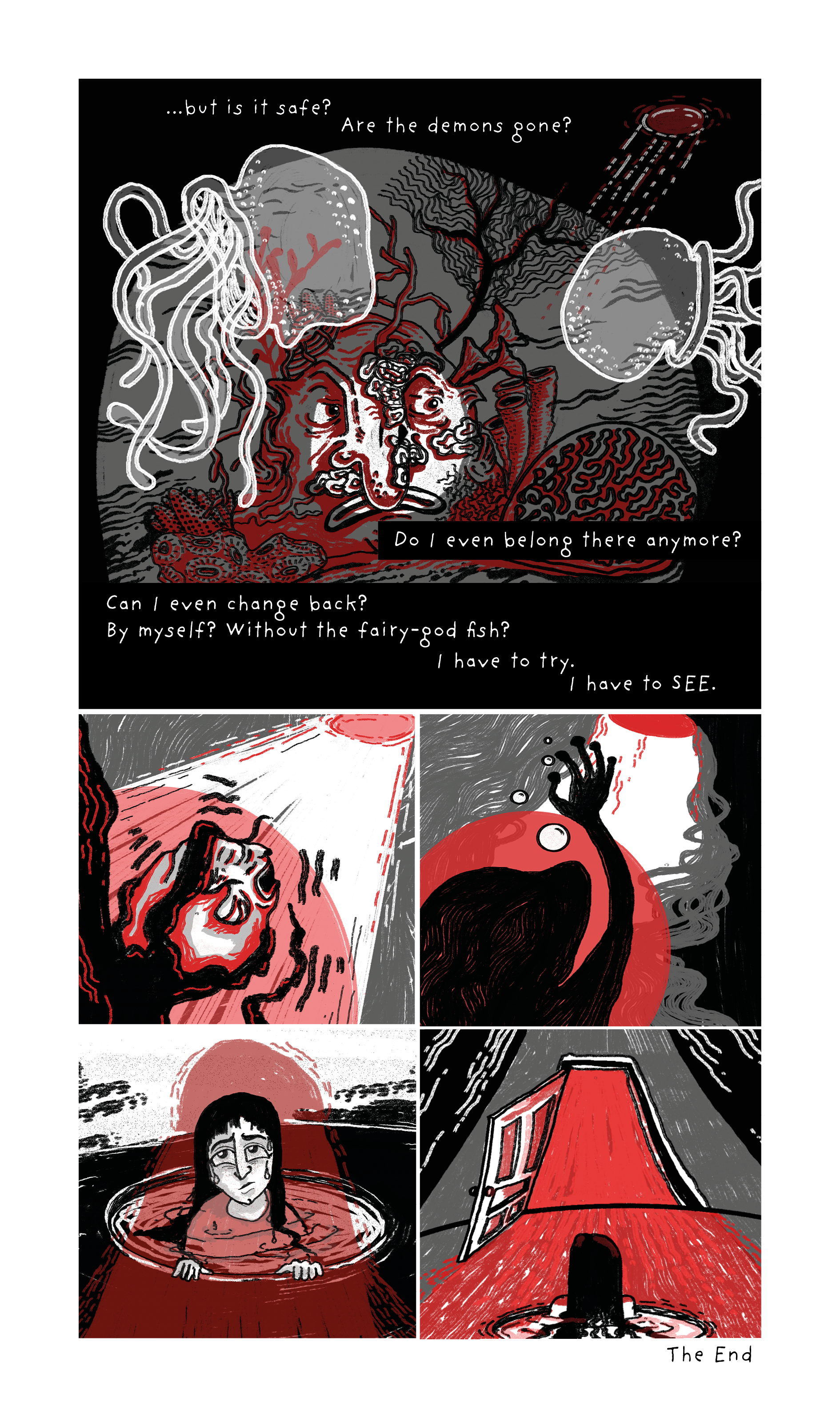
When I began at UAL, I decided to adapt the work I called the Cerebral Circus for my MA. I reimagined the work as an online interactive experience that I expected, would be far more impactful than a graphic narrative. The Cerebral Circus is a labyrinth inspired by the tunnels in one's own head. The idea of a circus appealed to me because I began to find humour in what was happening to me. It was inexplicable but funny in a tragi-comic way. It became an elaborate metaphor for my world – a place where absurd things beyond my control happened, and I could exercise very little agency.
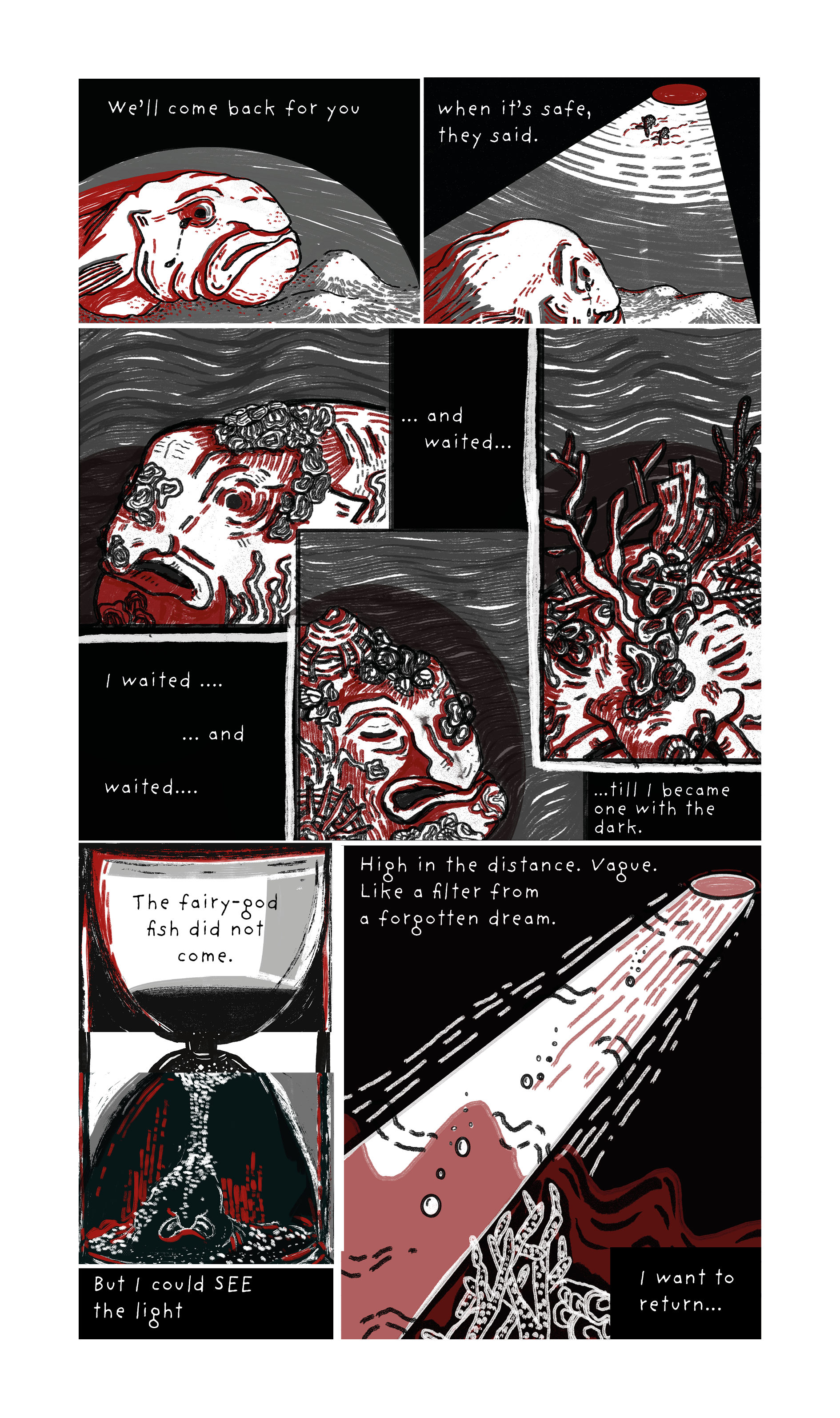
Panels from the original iteration of Cerebral Circus
During the course of Unit 1, I was once again forced to abandon any semblance of control, since the technology I was working with decided to have a mind of its own. I did not end up producing an interactive. And though the idea is still very appealing to me, I do not think I will be quick to overestimate technology’s inclination to work the way I want it to.
I did end up making Maze, however, and in that, I have surprised myself. I believe it holds the same ethos I imbued the Cerebral Circus with. And I have made nothing like it before.
My process, in hindsight, seems to have had three very distinct phases. Certitude. Then Abject Failure, followed closely by Disaster Mitigation. Below, I have documented and detailed each stage. A video of a dance party made to celebrate the truce between myself and technology.
Certitude
The narrative of the Cerebral Circus was meant to reflect an individual's journey through the patriarchal capitalist system. The neoliberal world today tells us we can be anything. But at what cost? Through the Cerebral Circus, I want to show the cost and the violence that the system might cause to an individual's psyche. When I decided to adapt it into an interactive, I had to sort through lots of fragmented work built at different times since 2017. I experienced some stuckness about this because I’d made so many different things, I didn’t know how to extract a cohesive narrative from it. Eventually, I began to rely on children’s rhymes to get over the block. The world of the Cerebral Circus is deeply influenced by the ethos of Sukumar Roy’s nonsense poetry. I believe returning to that form helped me draw the narrative out and write the first draft.
Armed with this draft, I sought technical expertise – would it be humanly possible to pull this off? The draft, however, was far too long, with too many elements. There were too many characters and interactions were too complicated. So I decided to cut it down to its philosophical essentials.
In the second draft, rather than encountering a whole host of characters (including one fortune-telling donkey), the interactor would come straight to The House of Dreams. Somewhat inspired by the Wizard of Oz, the House of Dreams presents a false god who promises to fulfill all your wishes, in the same way, the “American Dream” was historically sold: work hard and you shall succeed. Growing up in an upwardly mobile middle-class Indian family, this was also the mantra that was thrown at me all day, every day.
Fending off precarity on a daily basis finally changed my mind, especially when I found myself incapable of being "productive." It is really from this experience that the idea of the Cerebral Circus evolved. It also came from the echoes of similar experiences that people in my community were having. We all seemed to follow these trajectories of trying to make ridiculously unsustainable situations work because we had no other choice. At the time, I remember reading Sarah Kendzior’s work and finding that it resonated with me deeply – particularly the way she drew out the systemic nature of individual problems. I also recognised Michel de Certeau's influence: just as I made the House of Dreams to reflect the system, I also thought of the House of Dread to symbolise one's own agency (or tactic). I wanted this work to show the friction between systems and individuals.
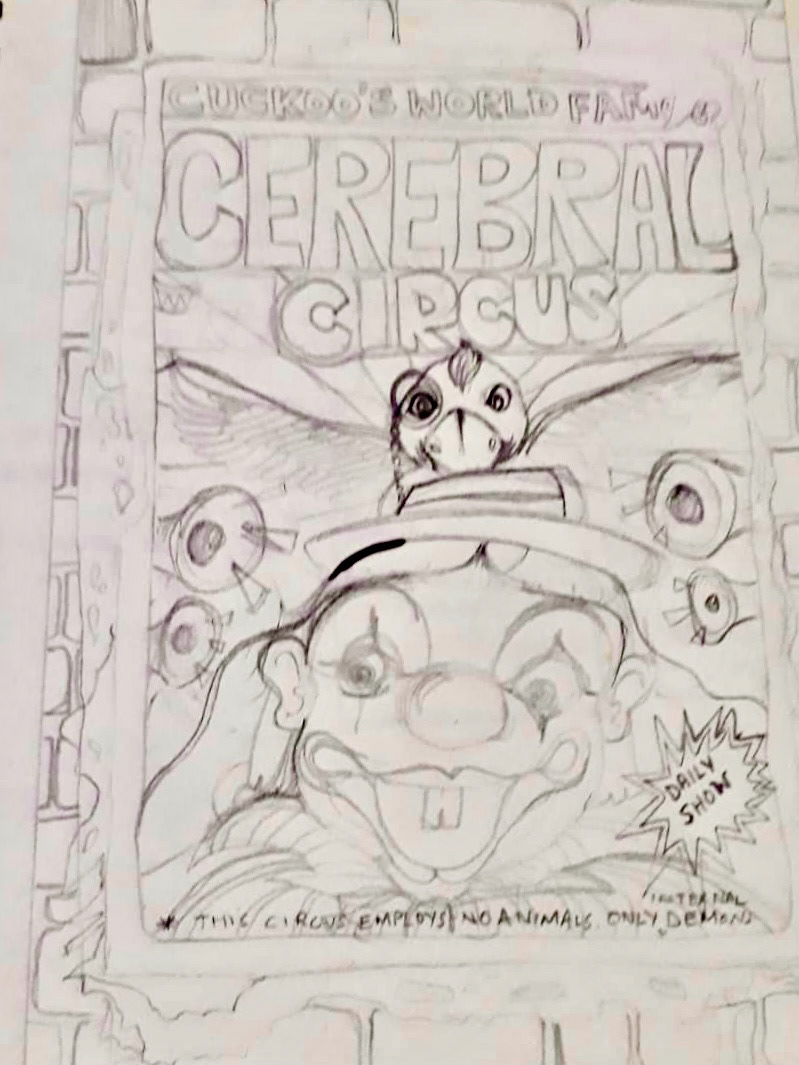
The beginning of the idea (2017)
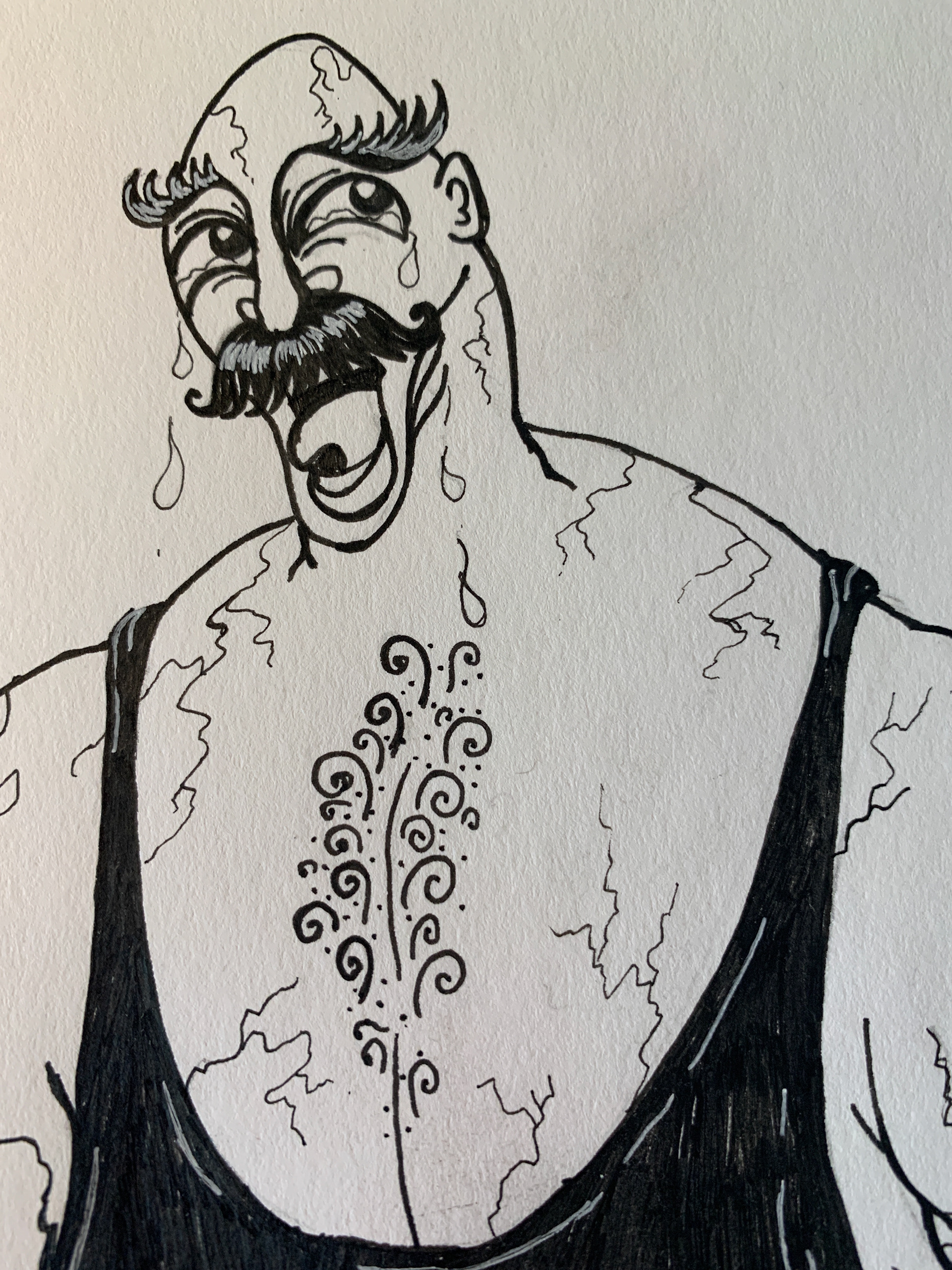
The strongman (omitted in draft 2)
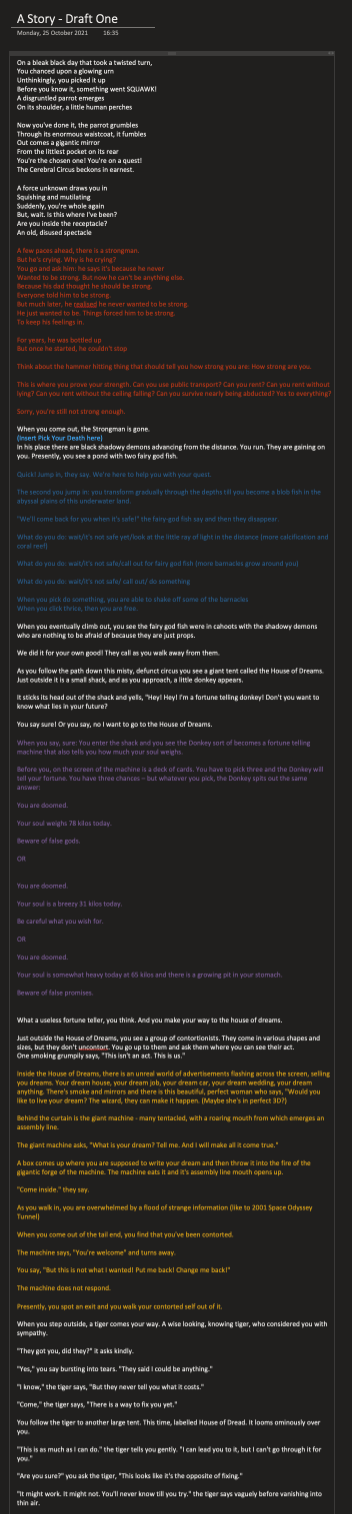
The First Draft (which did not fully fit here)
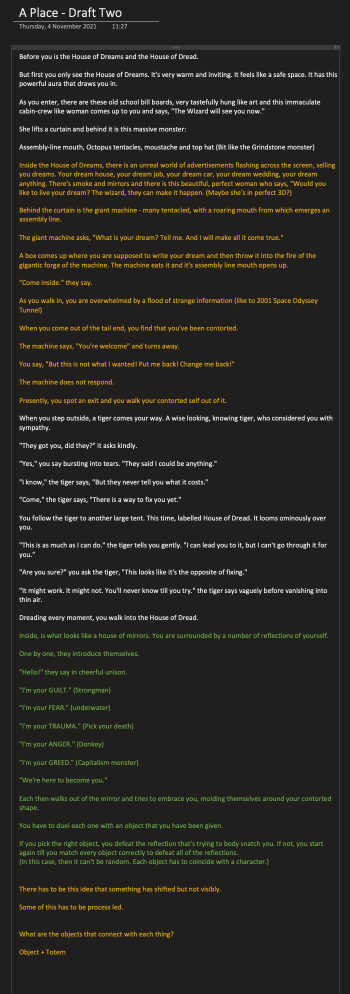
The second draft.
At the same time, I was drawing to inhabit the world I was trying to build. I started making storyboards in tandem and designing the characters. I often find that when I know how they look, they can tell me their story. Between September and November 2021, I thought it might be a good idea to test the narrative as a 2D animated video, after I spoke with my tutors. This was a challenge since I had only animated small GIFs before. I learned more about believable animation – adding more frames of in-between movements to make the animation more natural, so on and so forth.
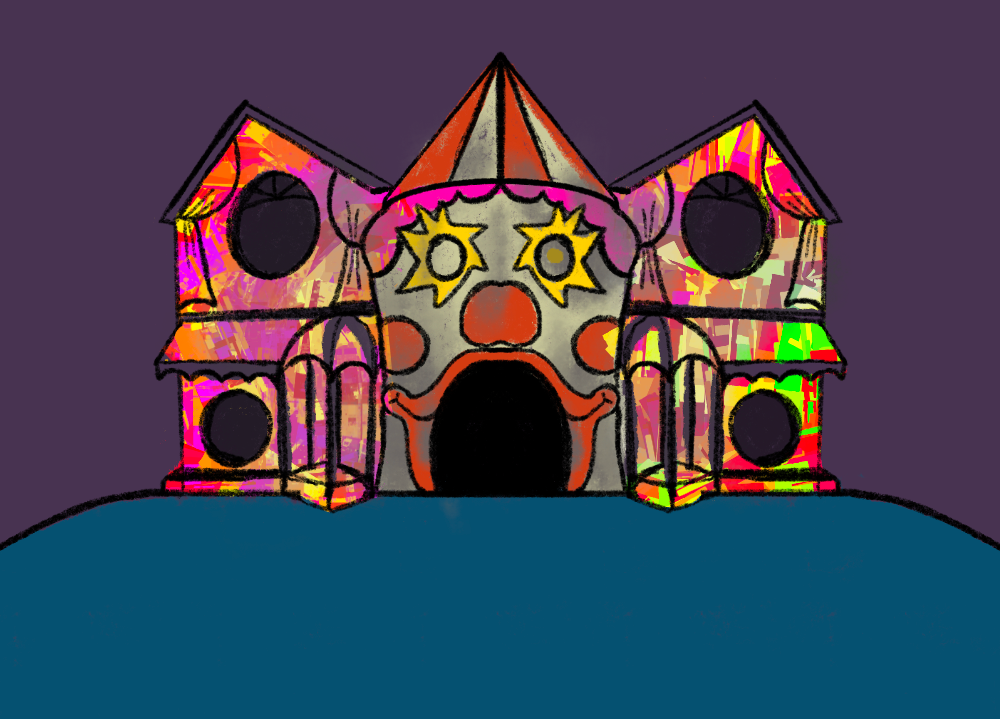
In addition, I made trial sketches of what I imagined the environments would look like – particularly what I wanted the two houses in my second draft to represent. This meant researching through references and thinking about architecture and history.
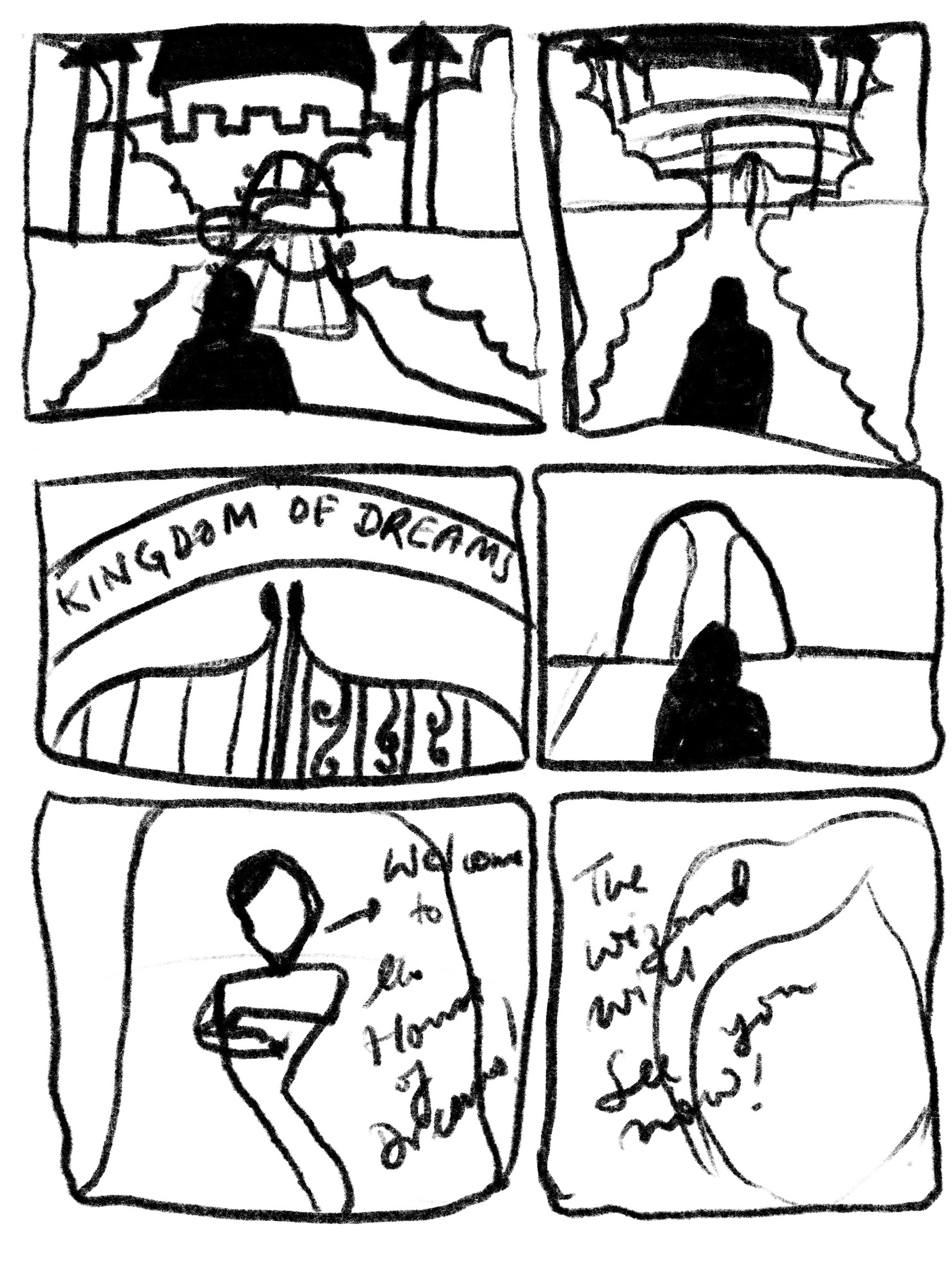
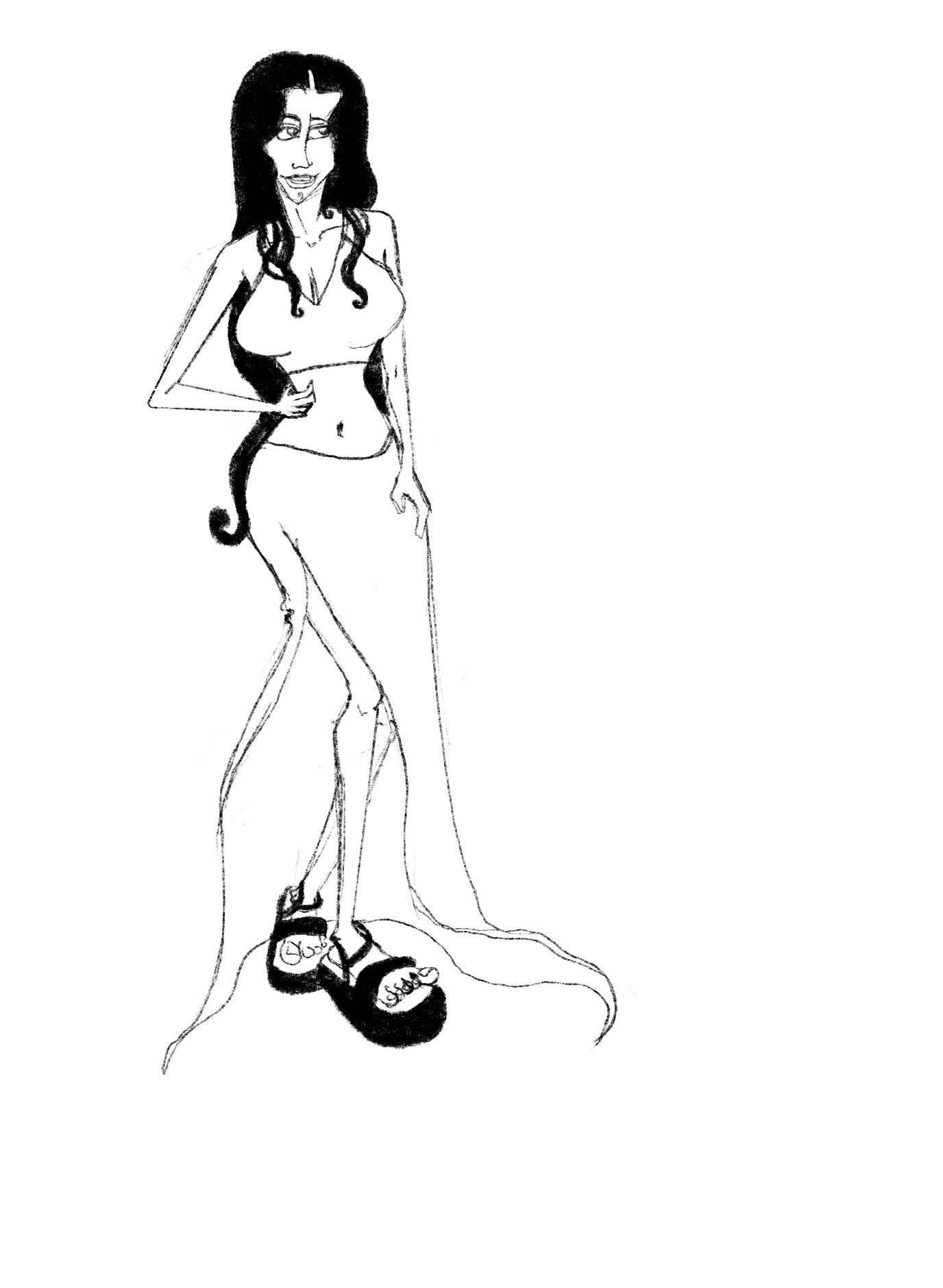
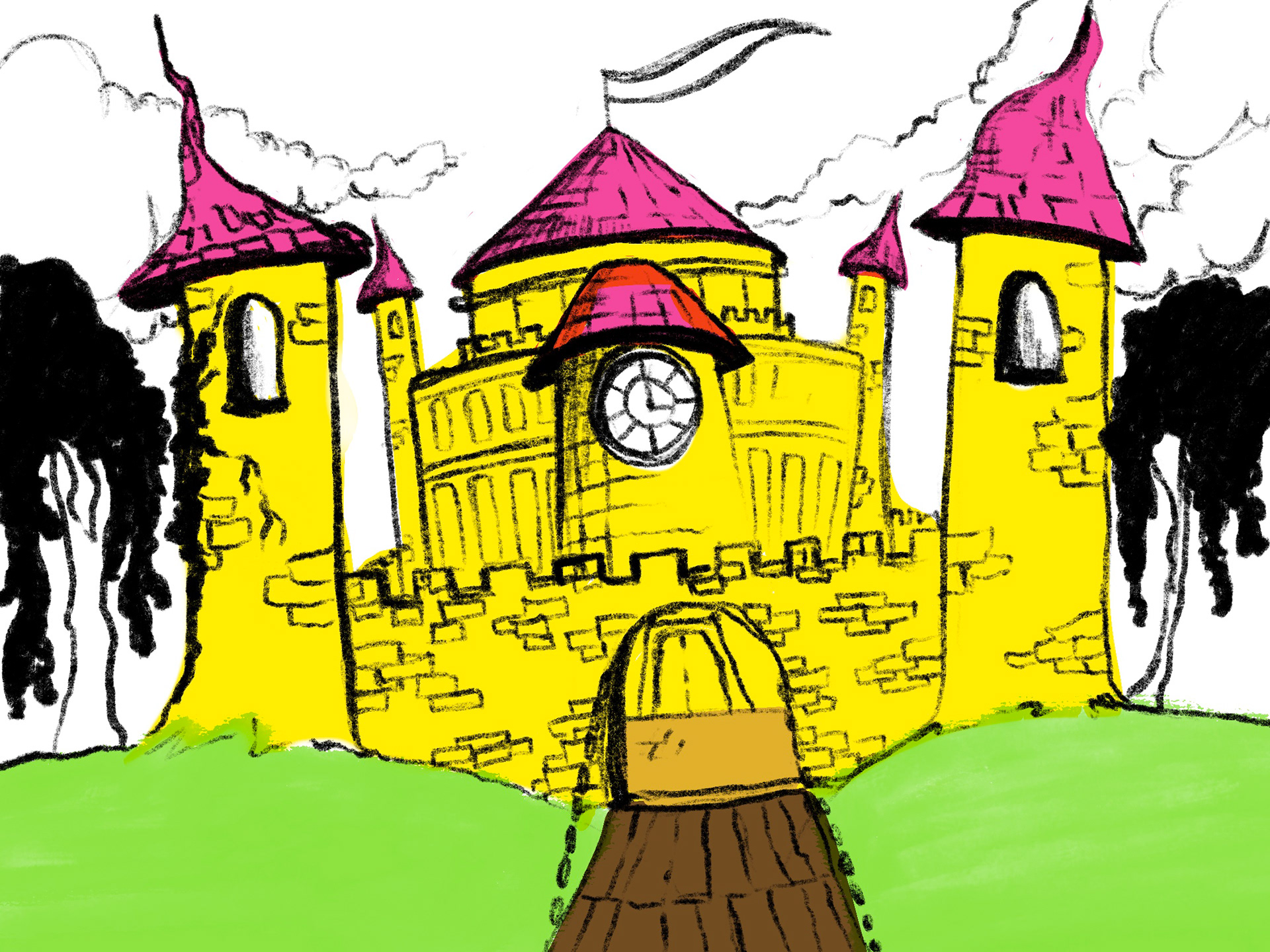
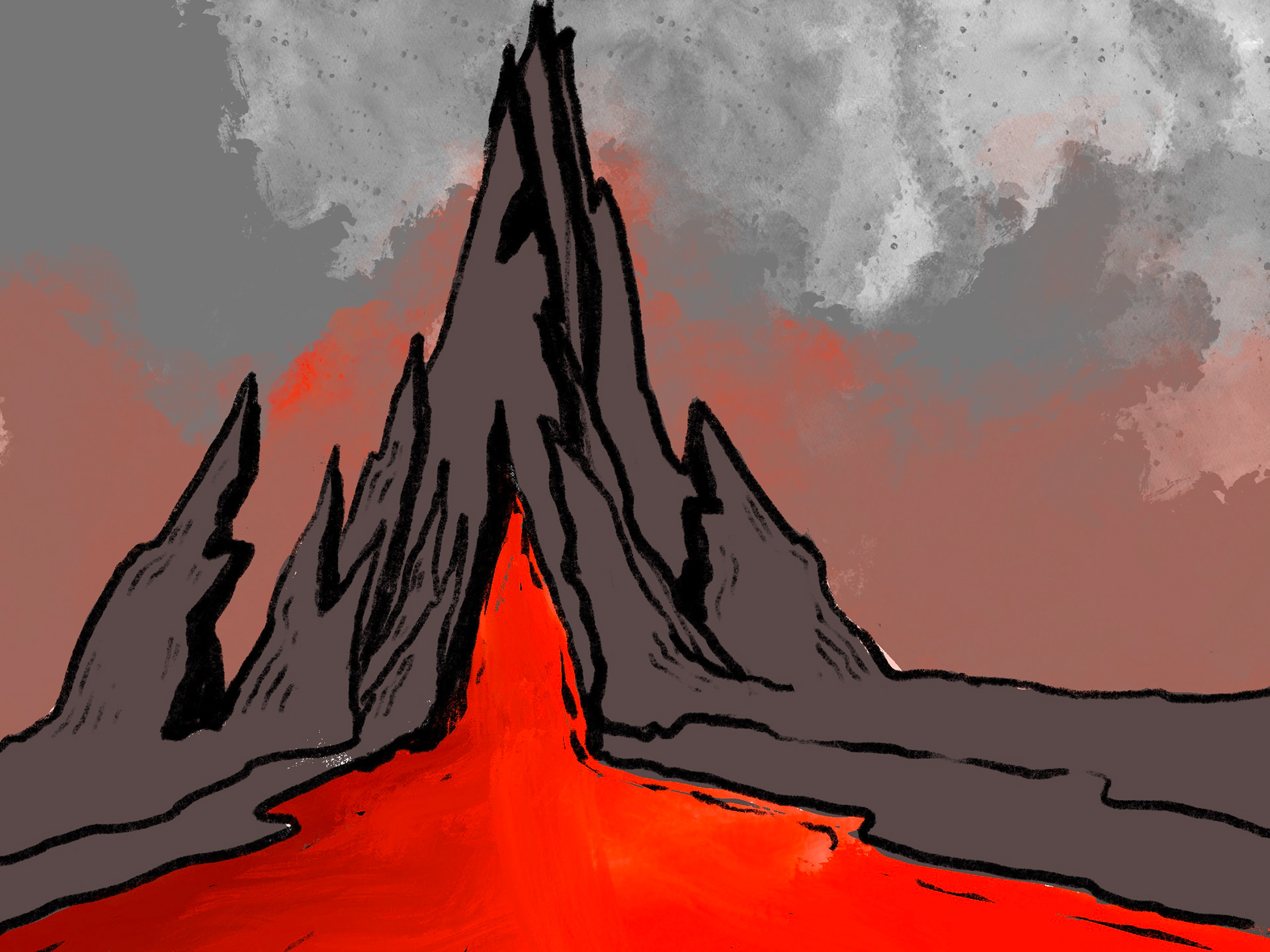
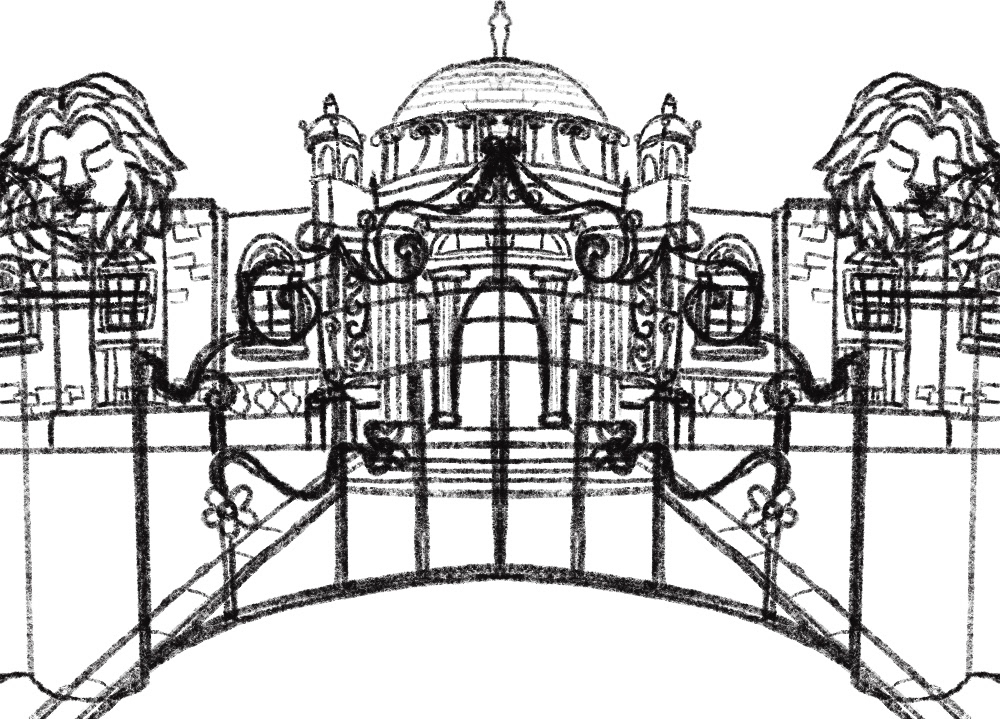
The first iteration of the House of Dreams looked like a fairytale Disney castle, which felt very disconnected from my experience. I realized, the House of Dreams has to look something like the National Gallery in Trafalgar Square or Victoria Memorial back in Kolkata. Because the Indian middle class looks west when it looks to fulfill dreams. This would be more fitting because it reflects the profound impact of colonialism on our psyche and how it shaped the way we dream, and more importantly, what we dream about. For the House of Dread: at first, I drew Mordor, but quickly discarded it. I thought it should be a ramshackle house of mirrors because it is a place you build in your mind to reflect on who you are and what you are doing. This is the part of the narrative where the individual understands that despite seemingly impossible and unbeatable circumstances, they still carry some agency over themselves. If it can’t change the structure of their environment, at least it can change the distortion caused by the environment.
Abject Failure
Herein begins the saga of my tryst with technology. You have been warned.
I was not happy with how the 2D animation was developing, and I found the process quite creatively fatiguing after a few days. Because I was buried in the 'how to make it work' part of it, I grew distant from the 'why' and 'what' of it, which I thought made me lose some perspective.
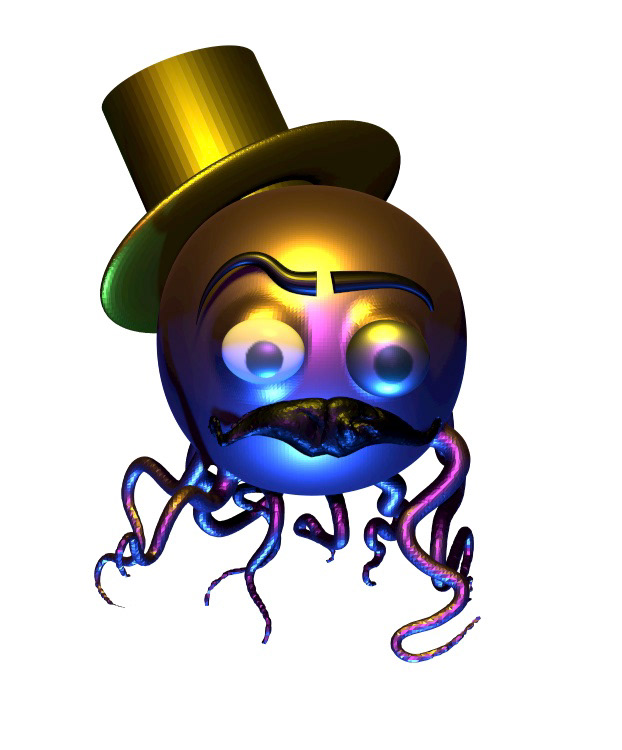
Because I envisioned the Cerebral Circus as an online experience, made potentially using game engines like Unreal or a platform like Mozilla Hubs, I began to explore 3D modelling to build the “assets” I would need.
Cerebral Circus - 2D animation test
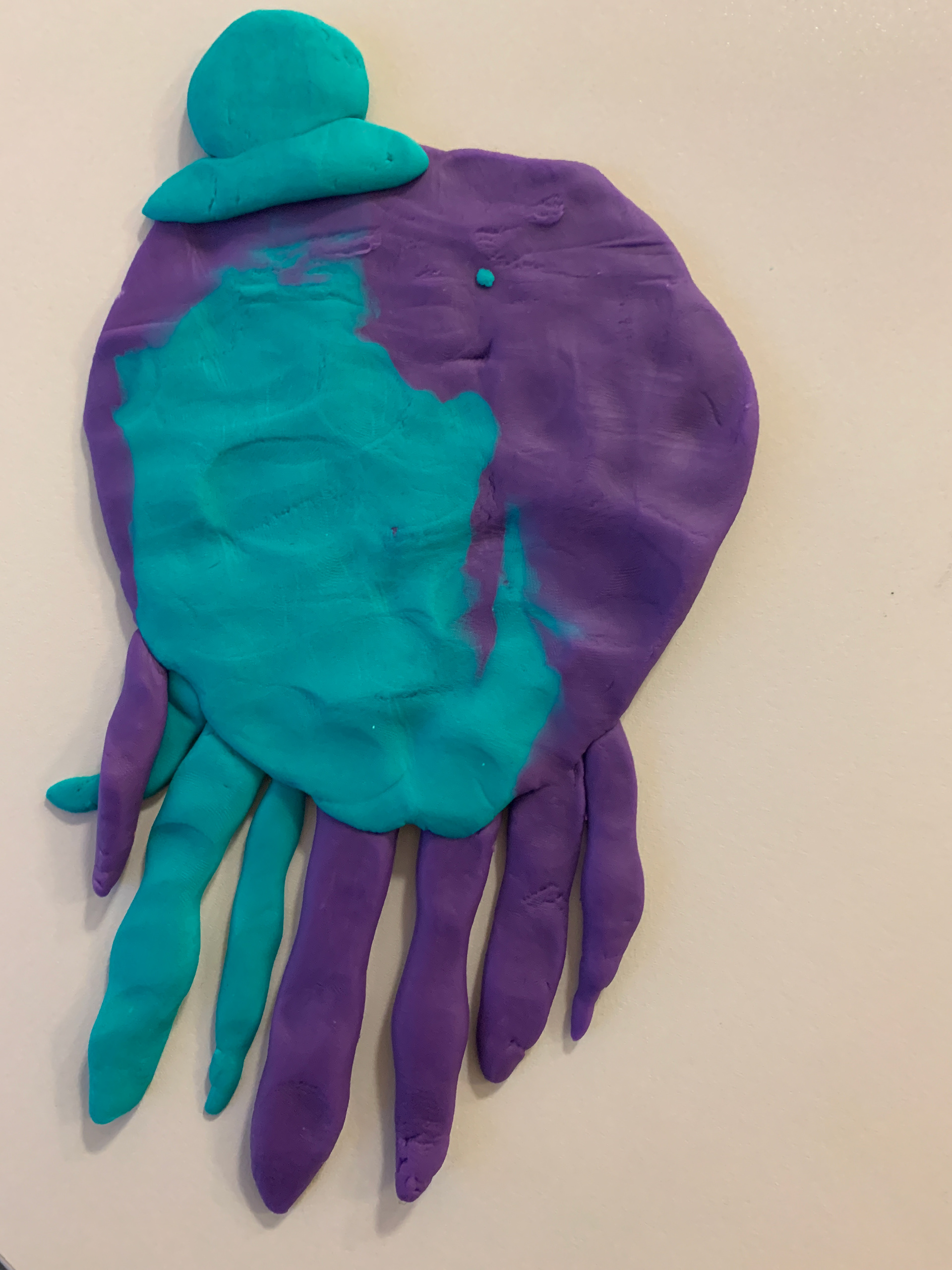
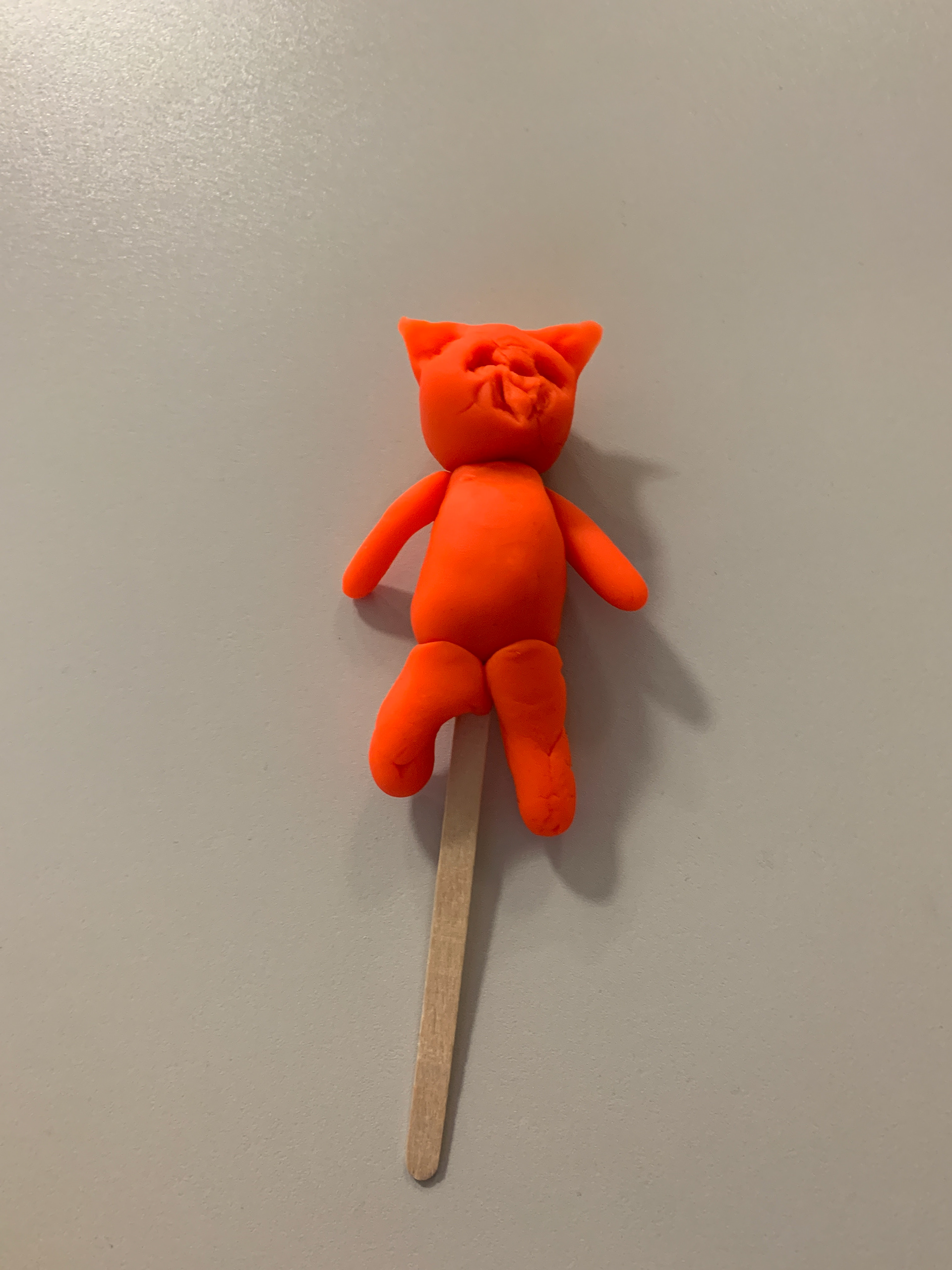
Since I had not worked in 3D before, I followed advice about trying to model the characters in plasticine. The idea was that we might try to experiment with photogrammetry to see if these modeled characters could be photographed and then animated. I liked the aesthetic of juxtaposing a photographed object against a cartoonish background, so I tried to make the models with plasticine. Unfortunately, I had to abandon this pursuit altogether because of my utter lack of playdoh sculpting skills.
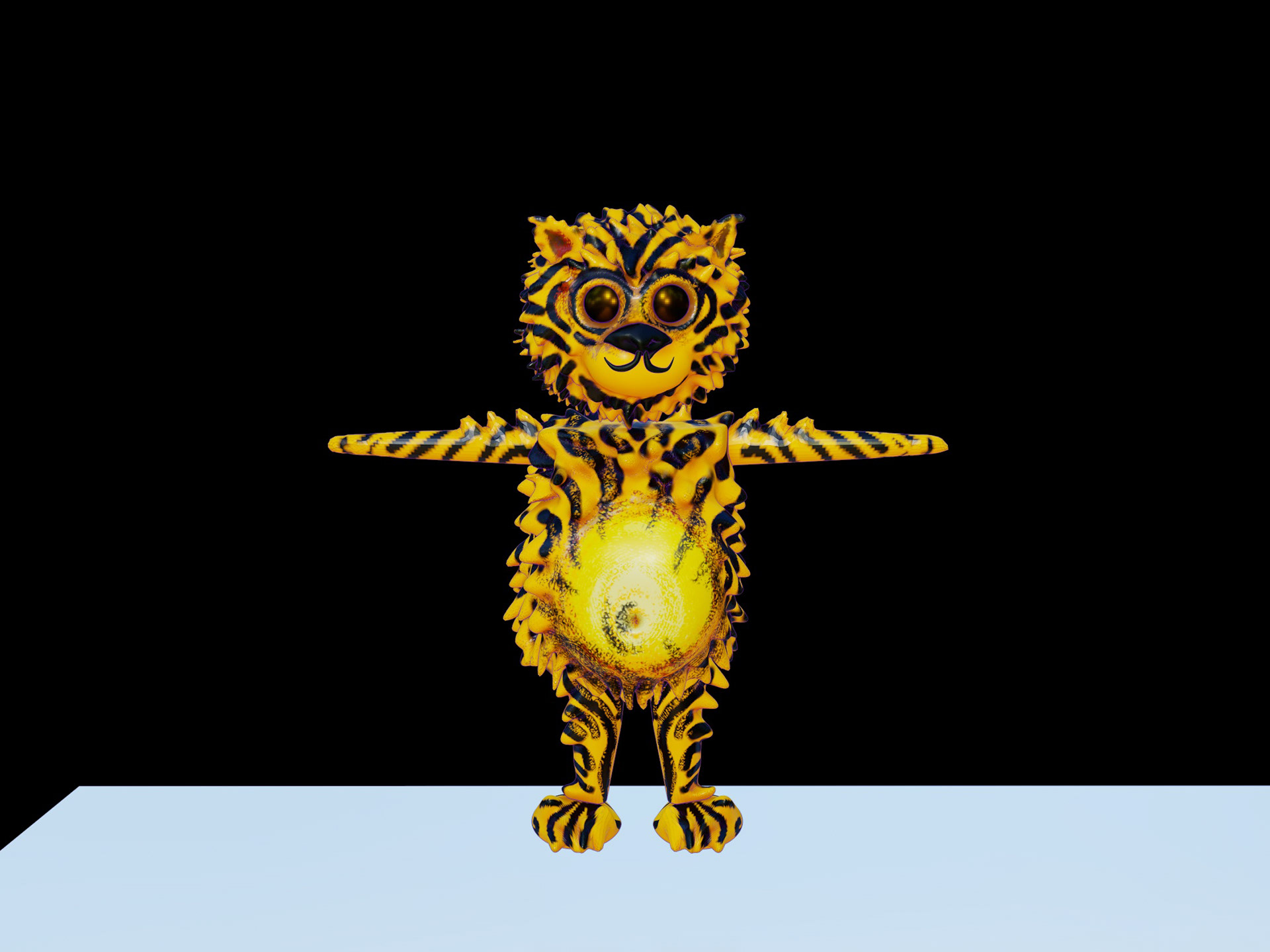
I fared better with digital sculpting. Because I am an intuitive learner, I decided to just start making, and figure out how the technology works alongside. I also did not want to make very polished sophisticated 3D characters. I just wanted to translate my 2D style of drawing into 3D. I was happy with the initial results when experimenting and figuring out the software.
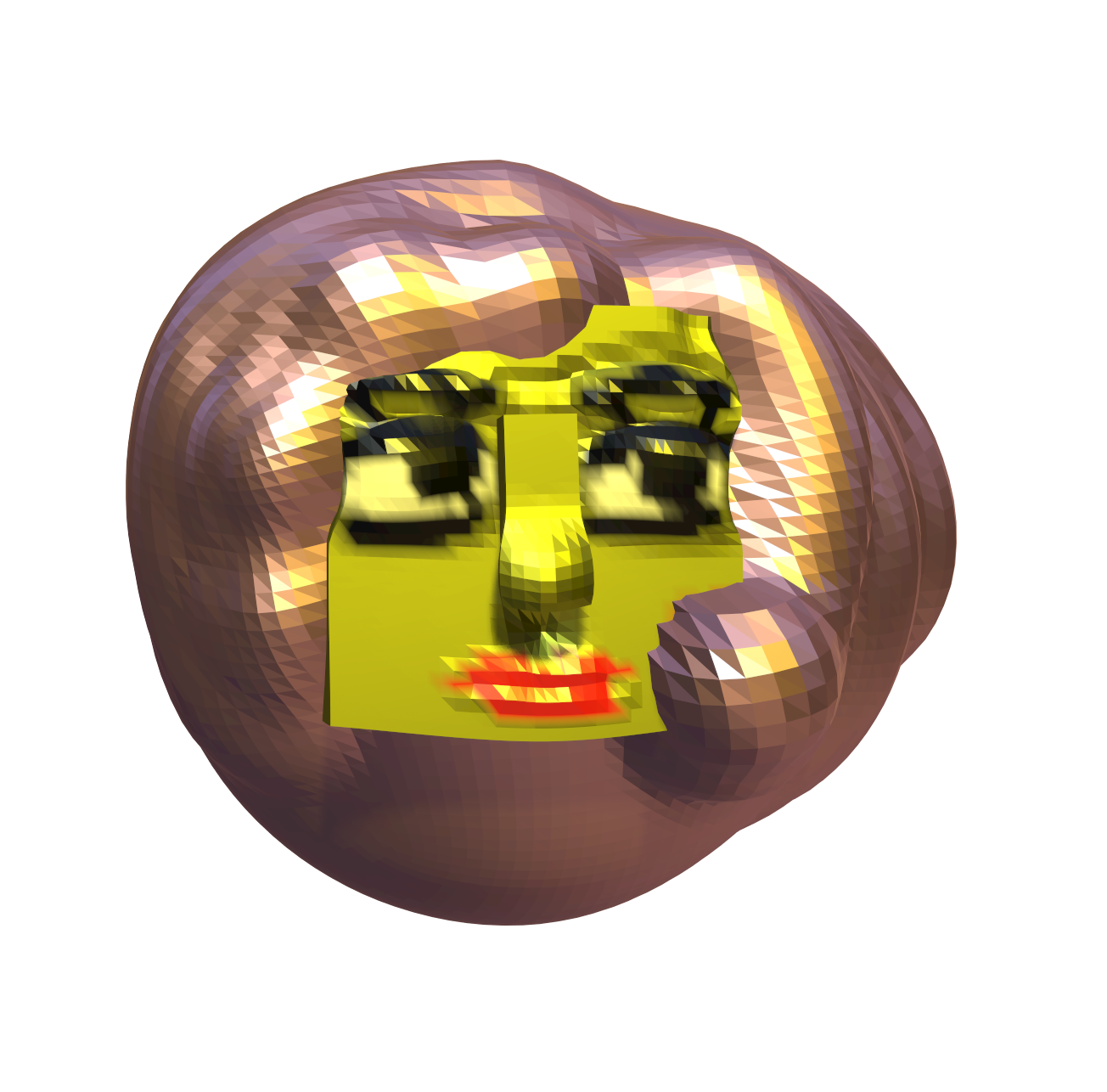
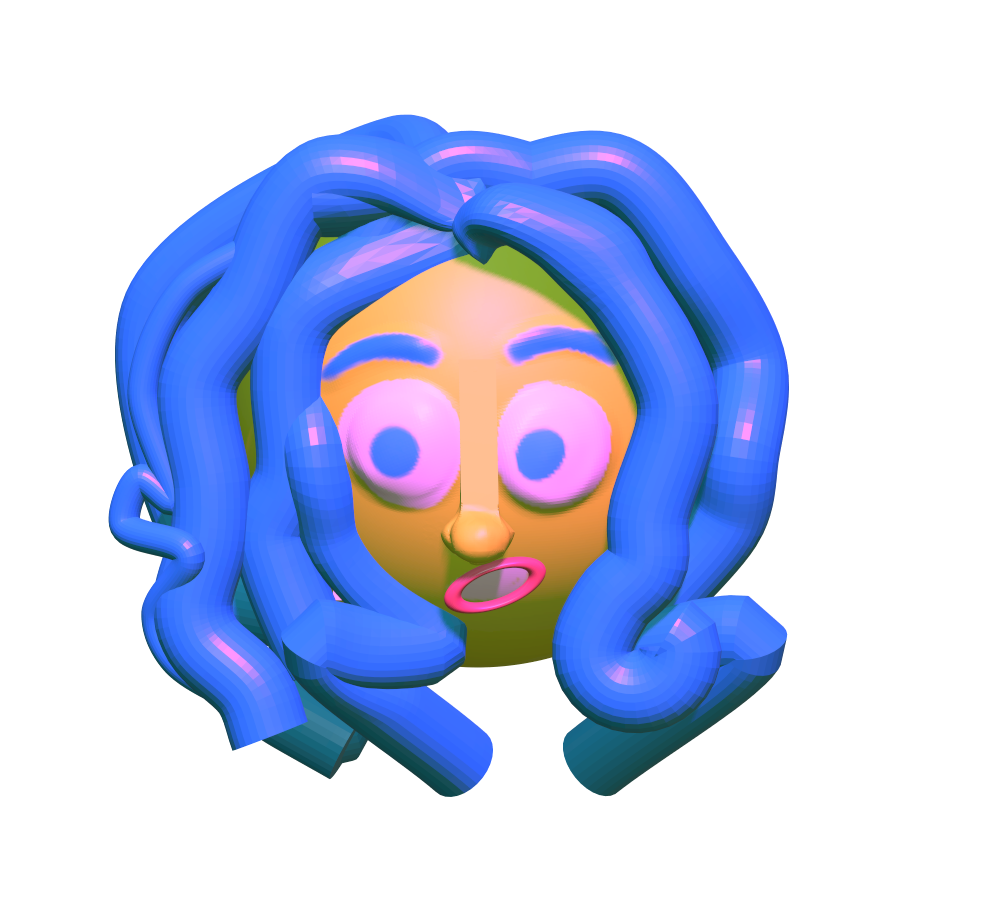
I followed tutorials to learn the basics and educate myself about the language of 3D art. I was surprised to learn the detailed mathematics behind creating 3D art. Some of it felt like a calculation that I could not fully comprehend. I will admit that this was quite intimidating given that I do not approach the act of making so clinically. I was more focused on ensuring aesthetic fidelity.
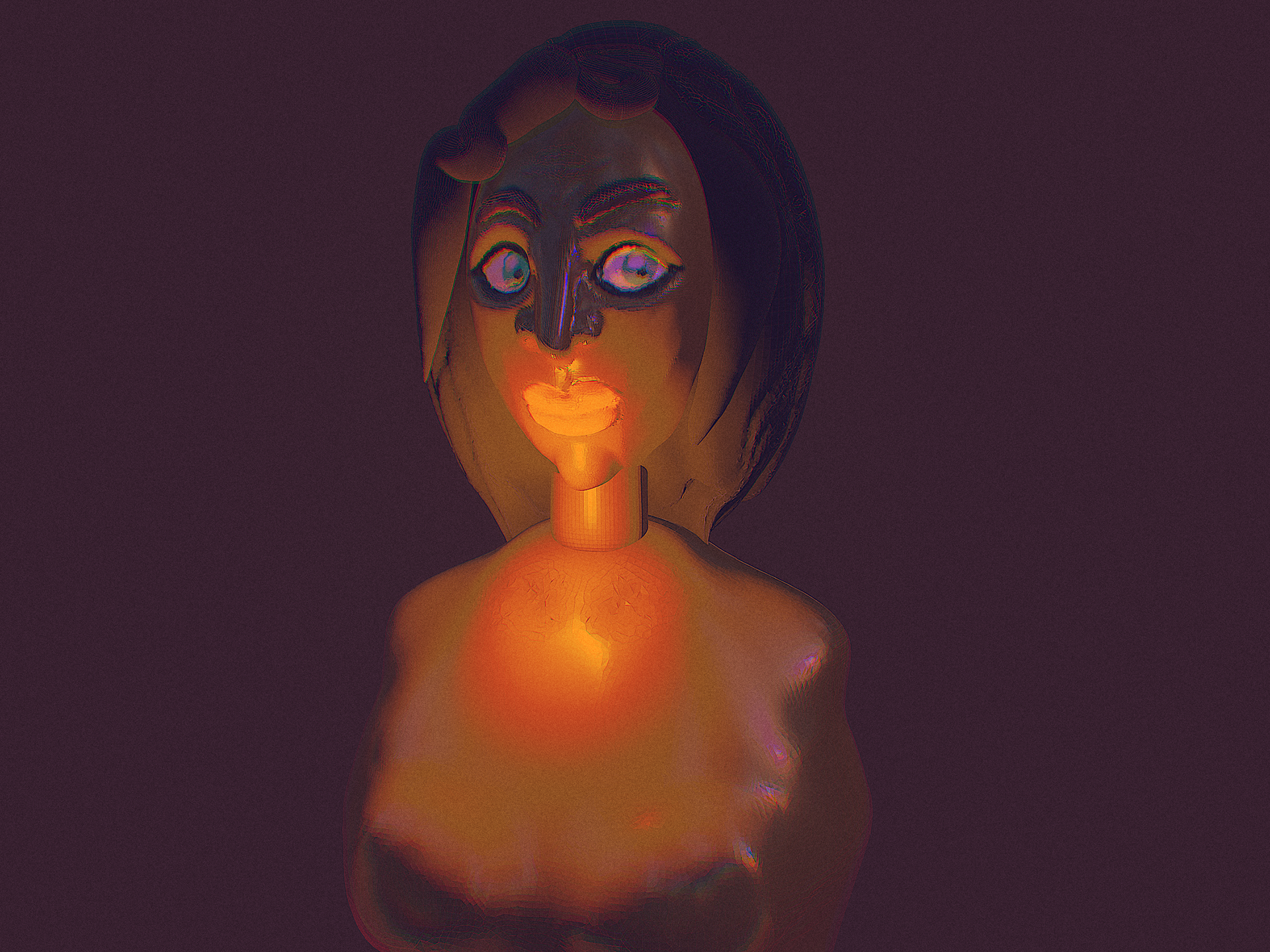
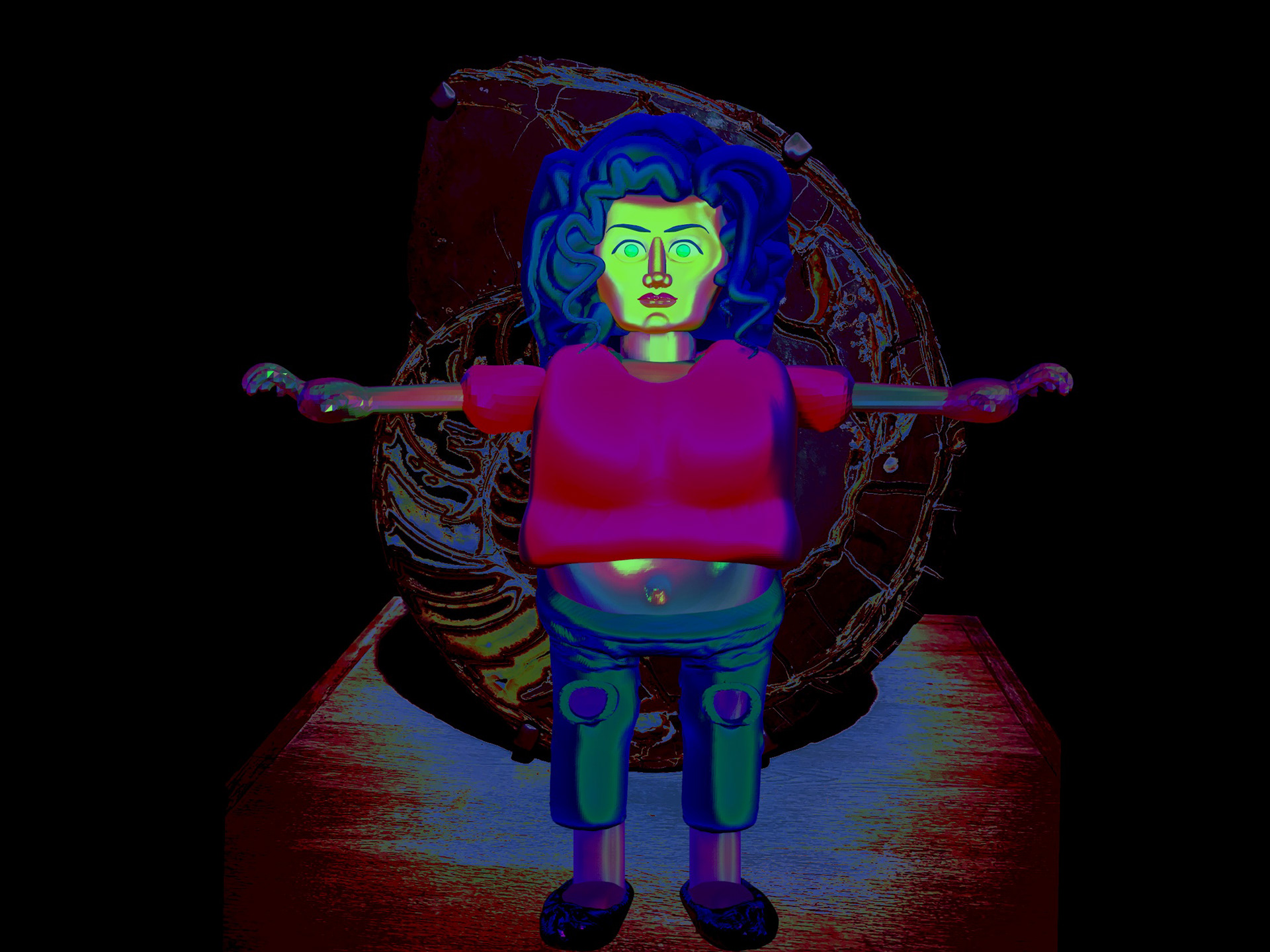
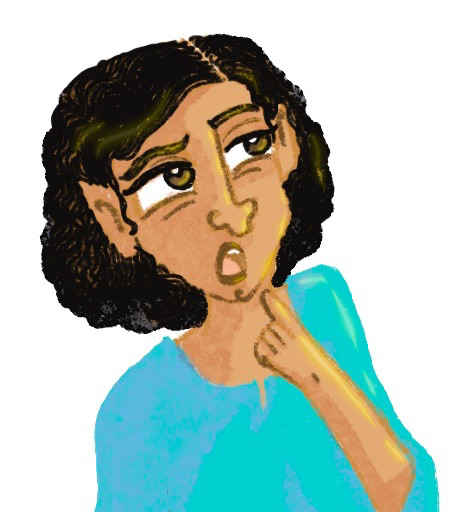
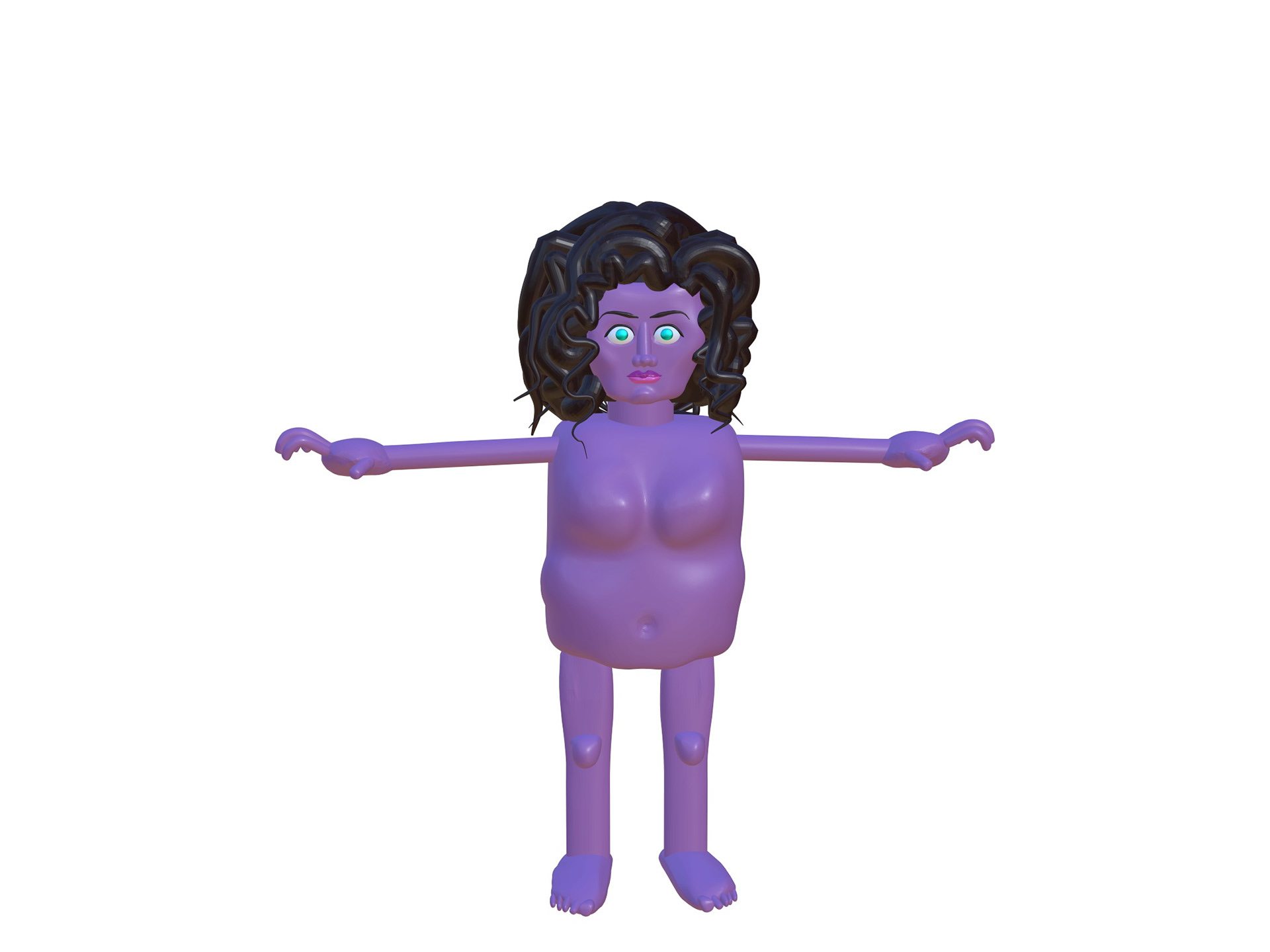
I made multiple versions of the character I called Prota till I was satisfied with how she looked. I wanted her to be somewhat dumpy with strange proportions because that is the kind of woman I like to illustrate. It is important for me to subtly configure body positivity in the visuals I create. But it was especially so here because in the first part of the narrative, Prota encounters the capitalist patriarchal idea of a perfect female body in the House of Dreams. So she needed to be someone who perhaps has a small degree of body-image issues that triggers insecurities when she encounters the ideal feminine beauty.
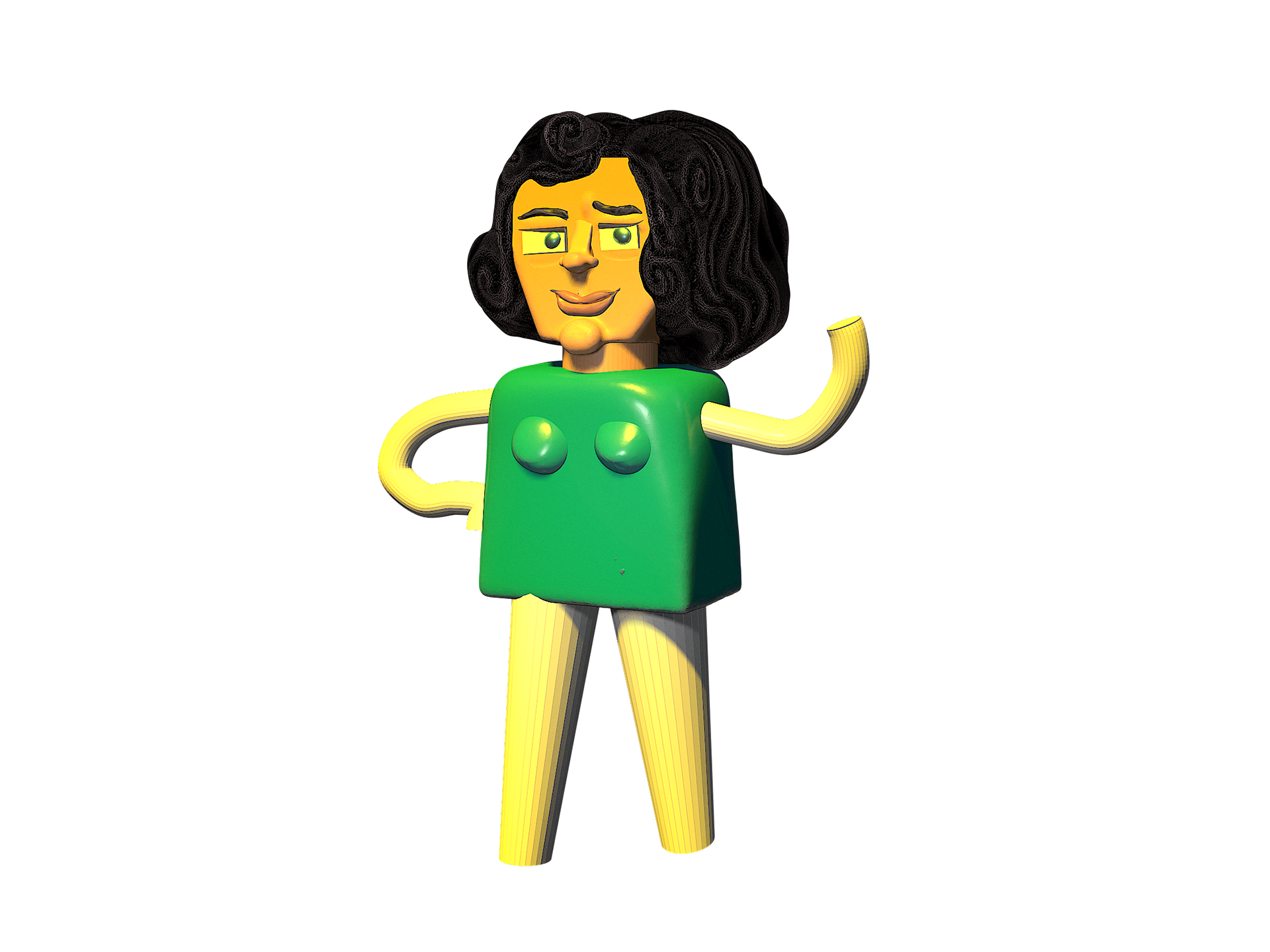
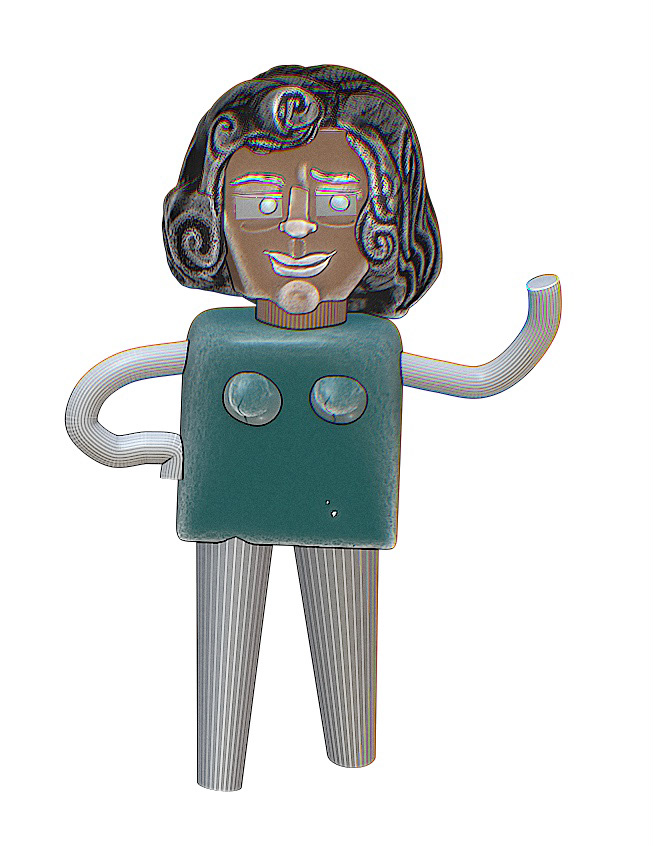
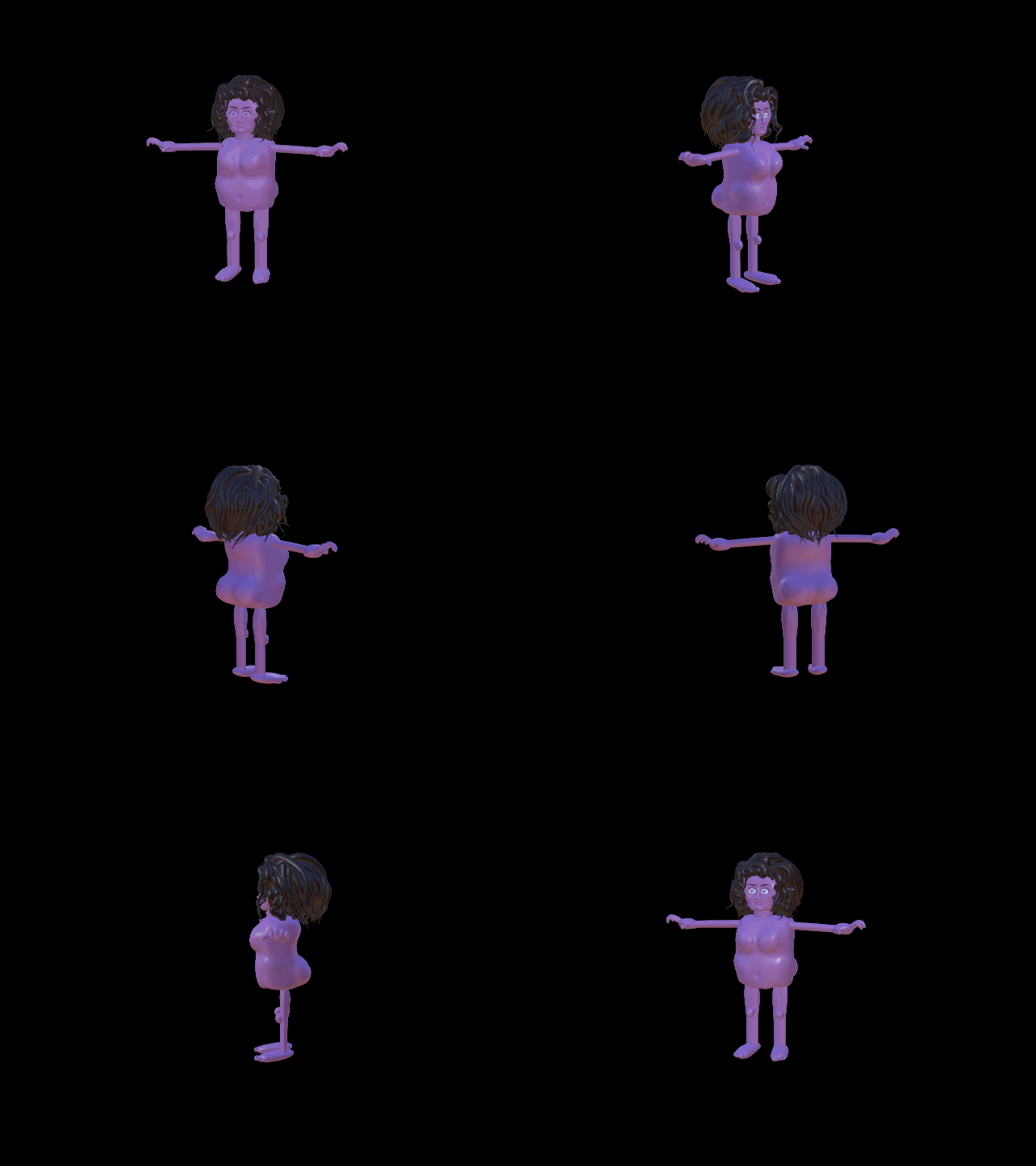
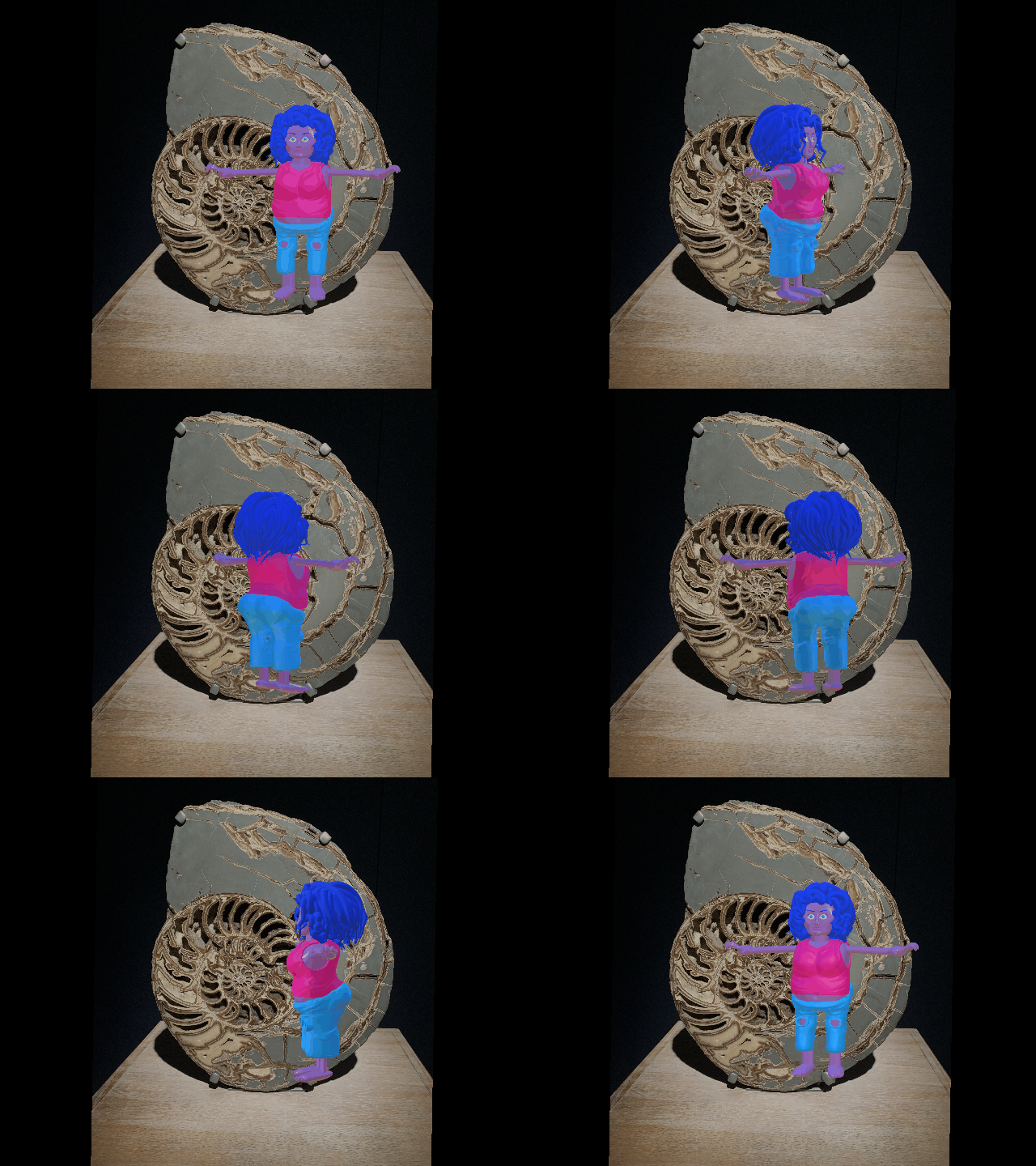
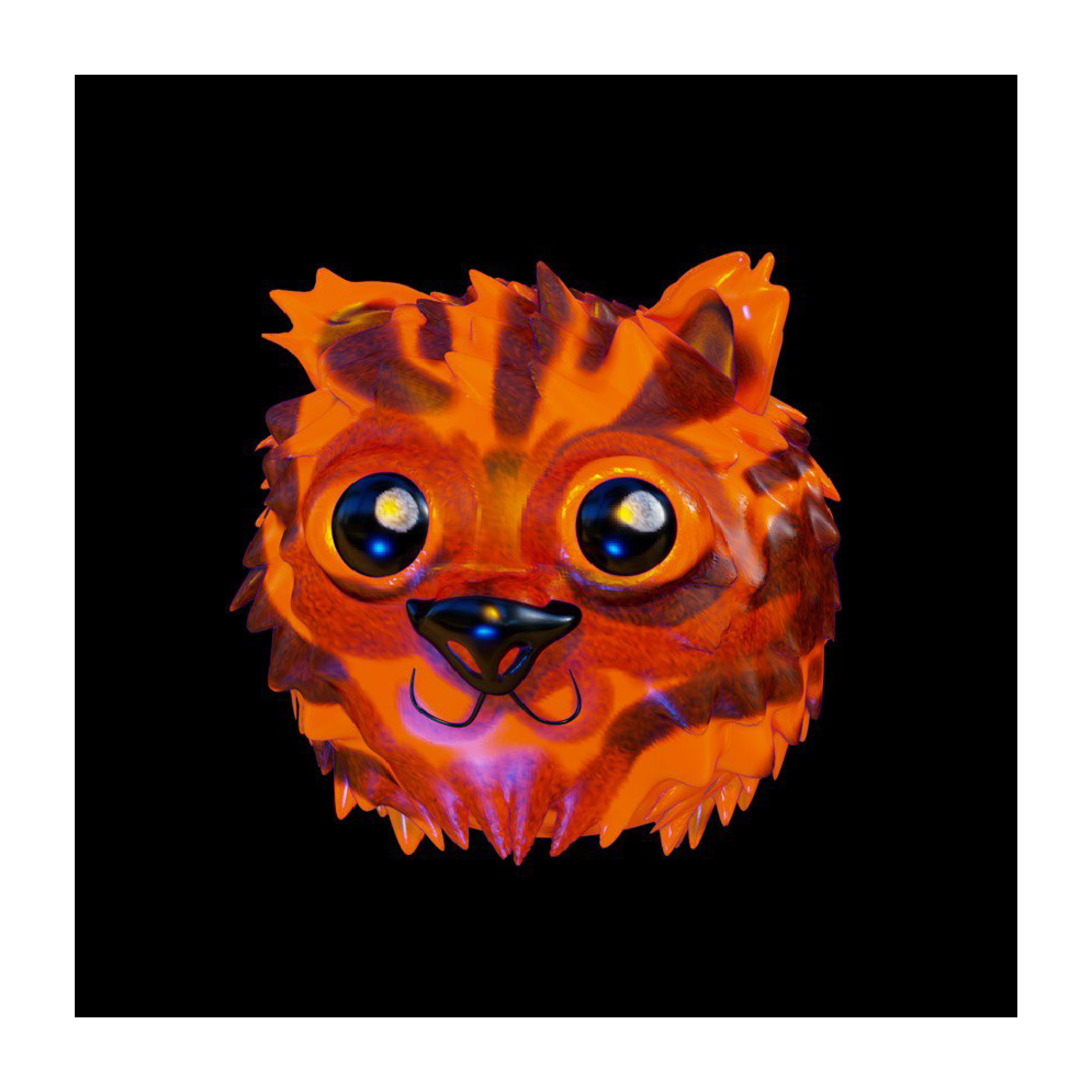
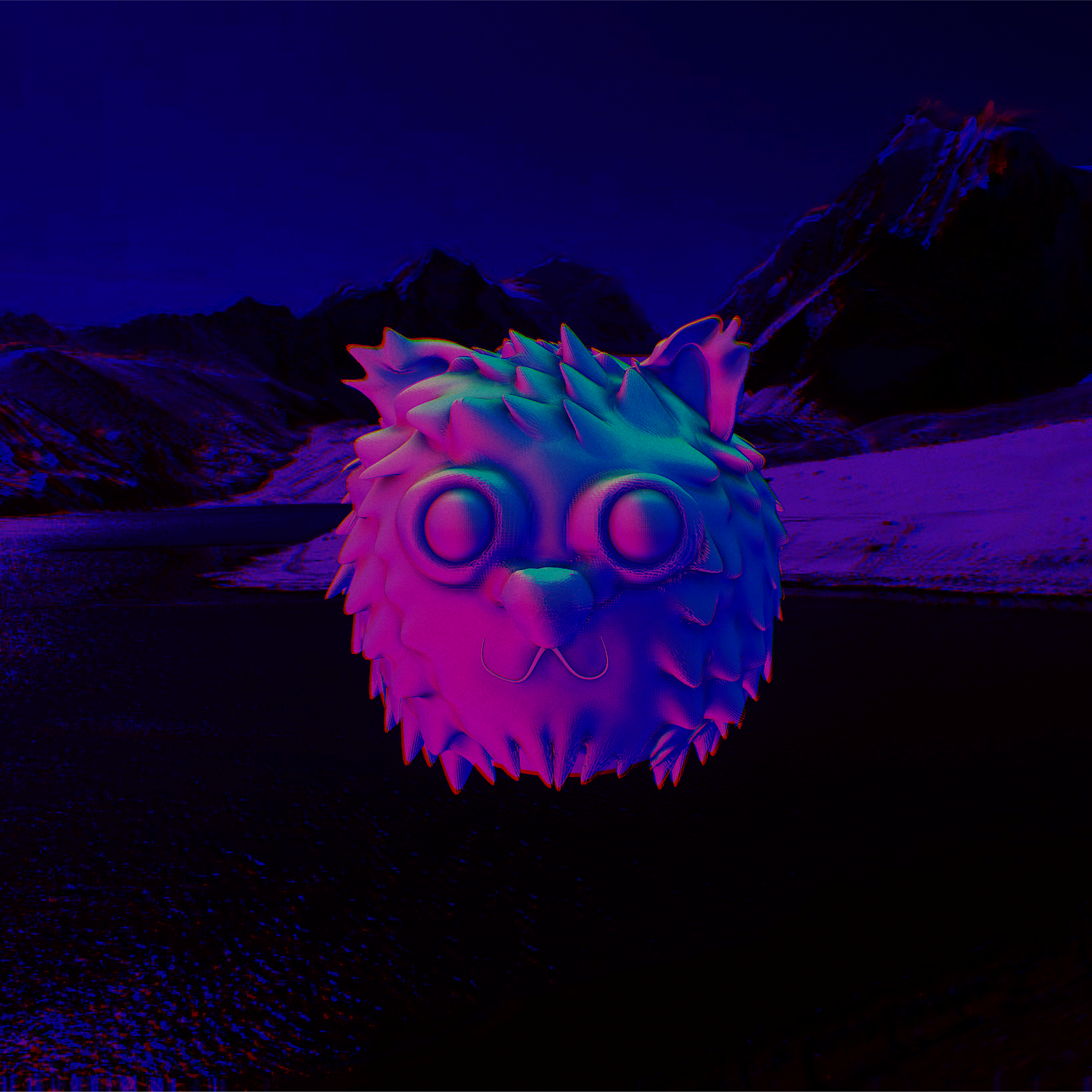
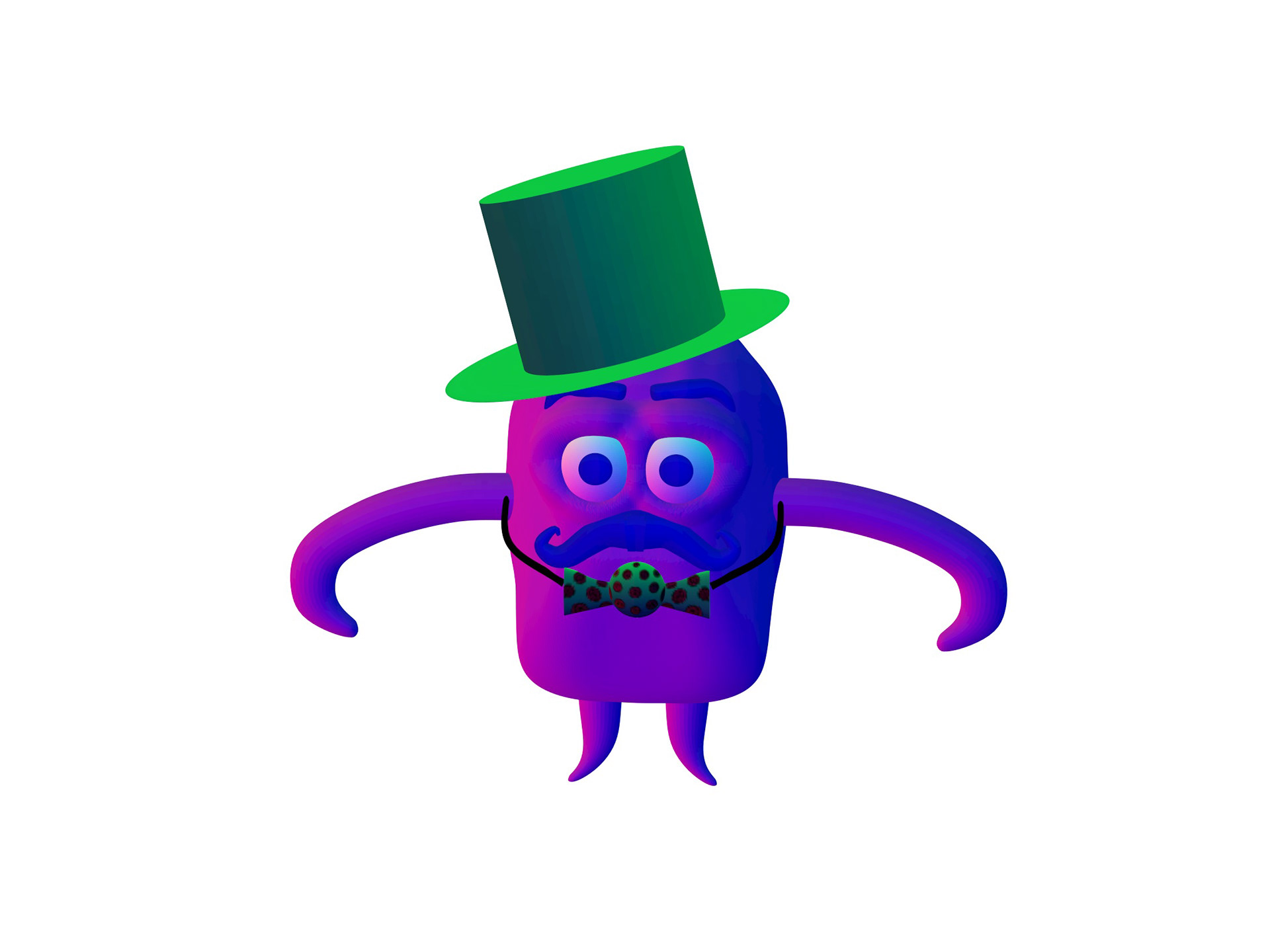
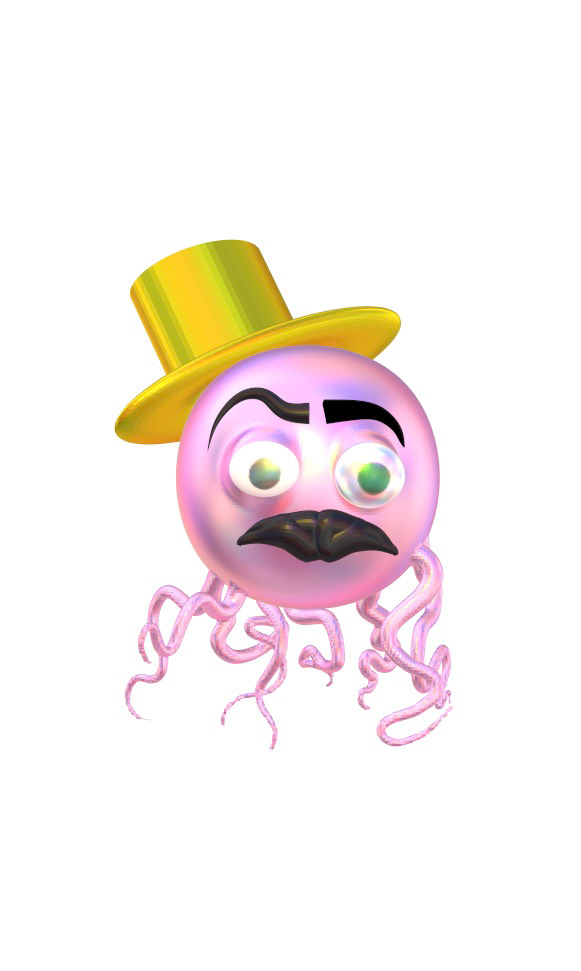
The creature characters did not really need clothes. I would give them maybe a hat or bow tie, but not much more. Prota, however, needed clothes. And I never could have anticipated how difficult it is to make clothes. I spent much more time than I should have on this, but made absolutely no progress. Eventually, I decided to give up. Instead, I gave Prota stiffer, clay-ish looking clothes, which I was able to make with comparative ease. However, that brought its own set of problems. The stiff clothes made the model very dense and not easy to rig for animation.
At this late stage, I discovered that sculpting something for animation is a very different process from the sculpting that I had done. The 3D models I had made are very detailed and geometry heavy, and so not very conducive for animation. There are two ways to reduce the detail to make them animation-ready. One is to use the automatic one built-in Blender, but the models would end up looking quite boxy and pixelated. The other way is to use the model I already have and construct a shell over it point by point, vertex by vertex – which would be a very long and very cumbersome process. When I tried to rig Prota, the rigs would not hold inside Blender. Again, after a fair bit of trying, it did not really work, and I tried to find other ways of getting them to move.
At this late stage, I discovered that sculpting something for animation is a very different process from the sculpting that I had done. The 3D models I had made are very detailed and geometry heavy, and so not very conducive for animation. There are two ways to reduce the detail to make them animation-ready. One is to use the automatic one built-in Blender, but the models would end up looking quite boxy and pixelated. The other way is to use the model I already have and construct a shell over it point by point, vertex by vertex – which would be a very long and very cumbersome process. When I tried to rig Prota, the rigs would not hold inside Blender. Again, after a fair bit of trying, it did not really work, and I tried to find other ways of getting them to move.
Picture of a Nudist 3D Model Refusing Clothes
I used an online animating software called Mixamo, where I was able to upload a previous, unclothed version of Prota and I was able to generate small animations.
Here onwards, I began to think of ways in which I could salvage something from all the models and things that didn't work.
Disaster Mitigation
"It's alive!"
As in the case of the 2D animation, I felt that the technology was eclipsing the art. I was far too focused on trying to make it work a certain way, which was frustrating because the computer had other ideas. Since it was being so stubborn, after a point, I realised I had to be more flexible with the kind of output I wanted.
So again, after conferring with my tutors, I began to rethink the ways in which I could make my work. I had a shadow of success with Mixamo. So I began to think about presenting my work in the form of moving images. I also drew up elaborate contingency plans in case the tech didn't cooperate again.
Prota with a 2D background
Luckily, my contingency plans did not need to be employed as I tested an animated Prota against 2D images. Both the computer and I seemed to have reached an accord with the process, though we still have minor details to work out. The video of a test on Mozilla Hubs below is one such problem.
I also tried to use the models with augmented reality software, because I think there might be a way to make the original idea of the Cerebral Circus work this way. But, again, I had limited success and will need to test more.
Mozilla Hubs test
Augmented Reality test
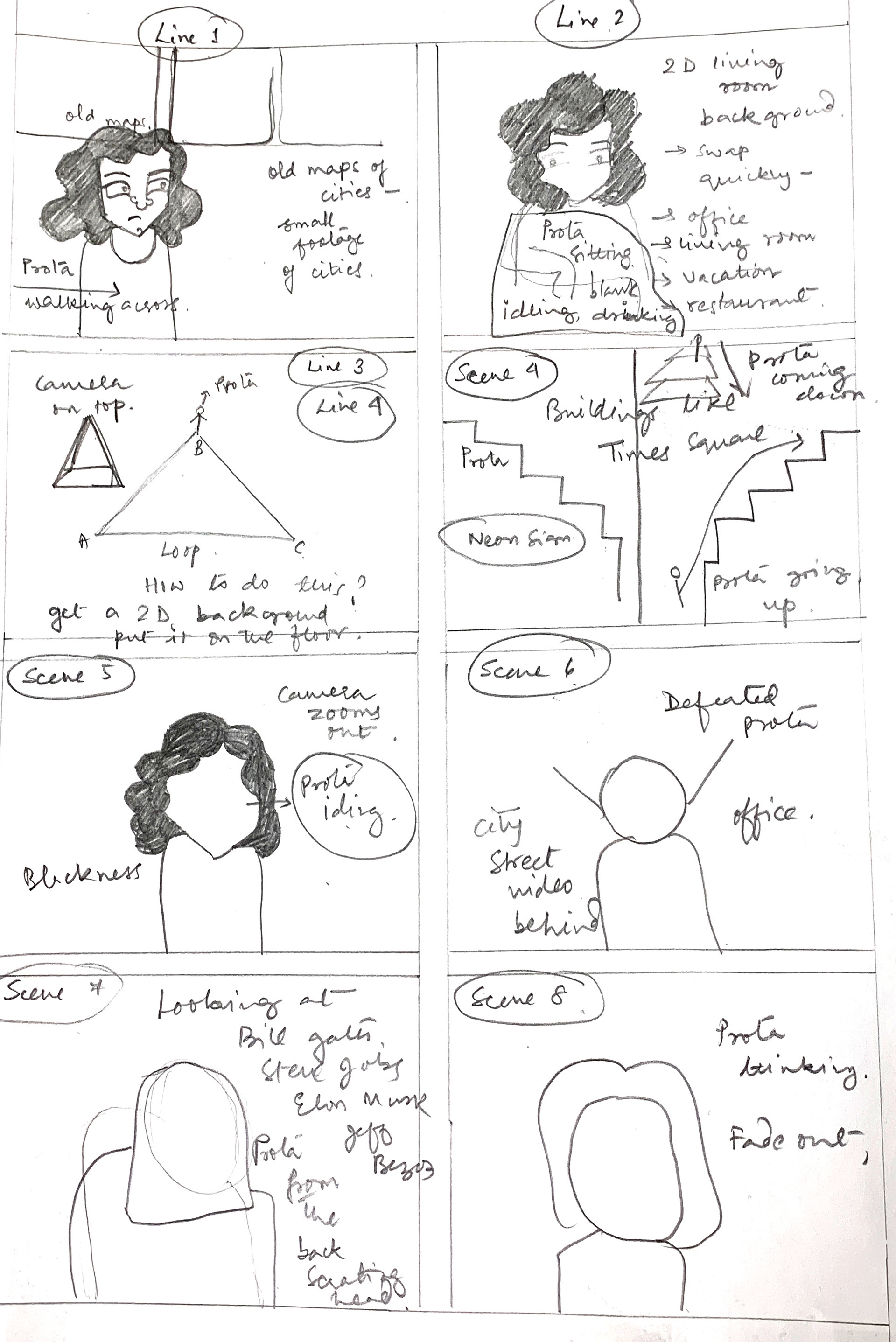
Overall, the result of this long process was Maze and I can immediately identify three strong influences that helped me conceptualise it. First is this video of a deranged penguin by Werner Herzog that seared itself into my brain since I first laid eyes on it. The second is the series, Midnight Gospel, which was so utterly bizarre in both content and form that there was no way to not keep dwelling on it. Finally, I drew on the way in which Martina Menêgòn inverted the gaze on human beings in when you are close to me i shiver.
This meant going back to the storyboards again and I have clung to this piece of paper for direction. However, once I began to assemble the film, I found great delight in stock footage and old film archives. I allowed them to suggest and direct the way I wanted this film to look. All the background footage used in Maze is free to use under a creative commons license. The storyboard ended up serving as a very rough guideline.
The video editing software is much more pliable than the sculpting software, and I did not have as much trouble even though I had never used it before now.
On the whole, I am quite happy with the turns this process took, because I ended up exploring a wider variety of techniques and alternative ways of functioning.