

This particular piece is deeply personal – not just because I dissected my soul into its component fragments in the process of making it – but also because this is the piece that has helped me consolidate my identity as an artist.
Below are the visual representations of the various people – the identities – that live in me.
Below are the visual representations of the various people – the identities – that live in me.
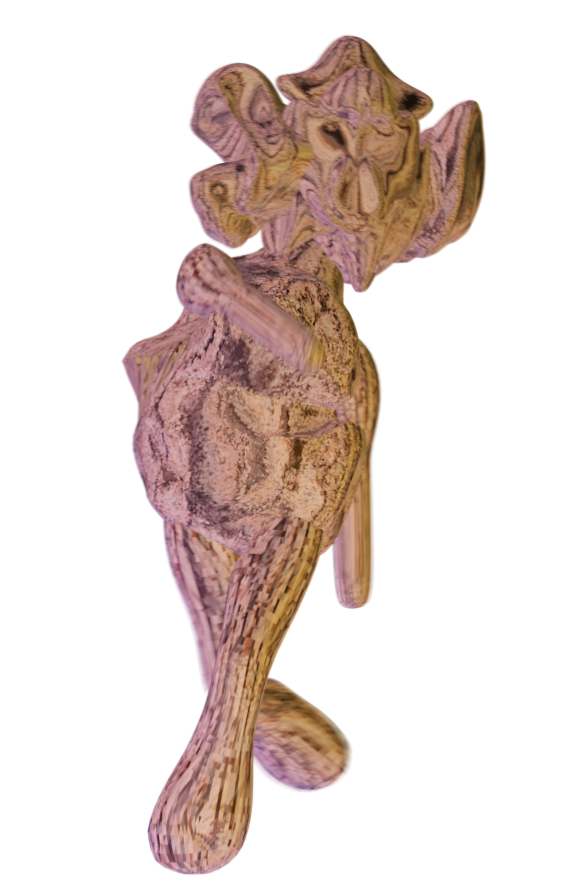
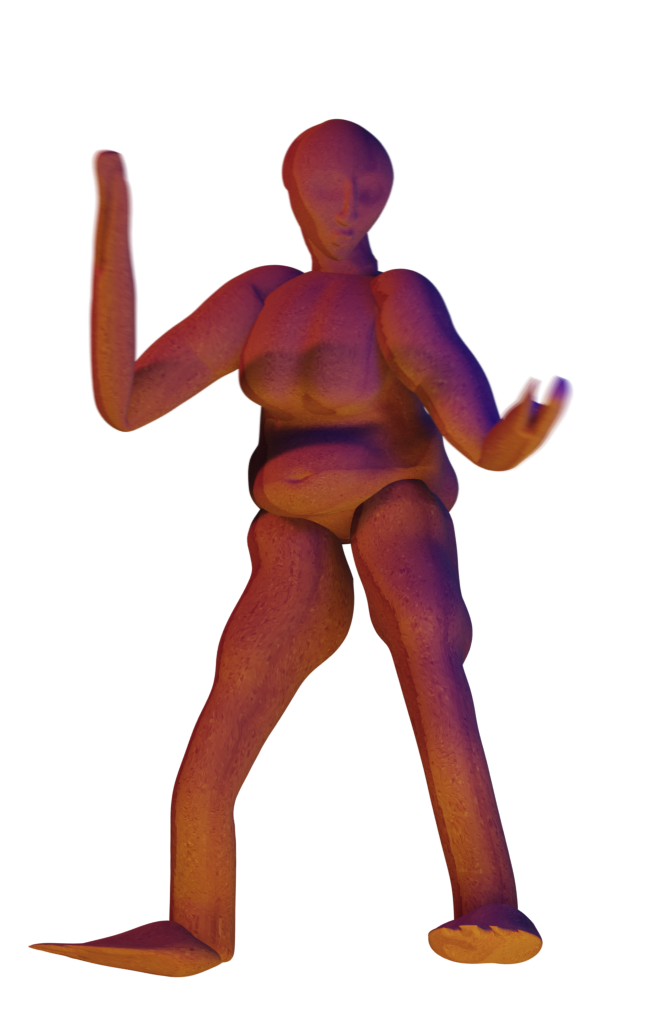
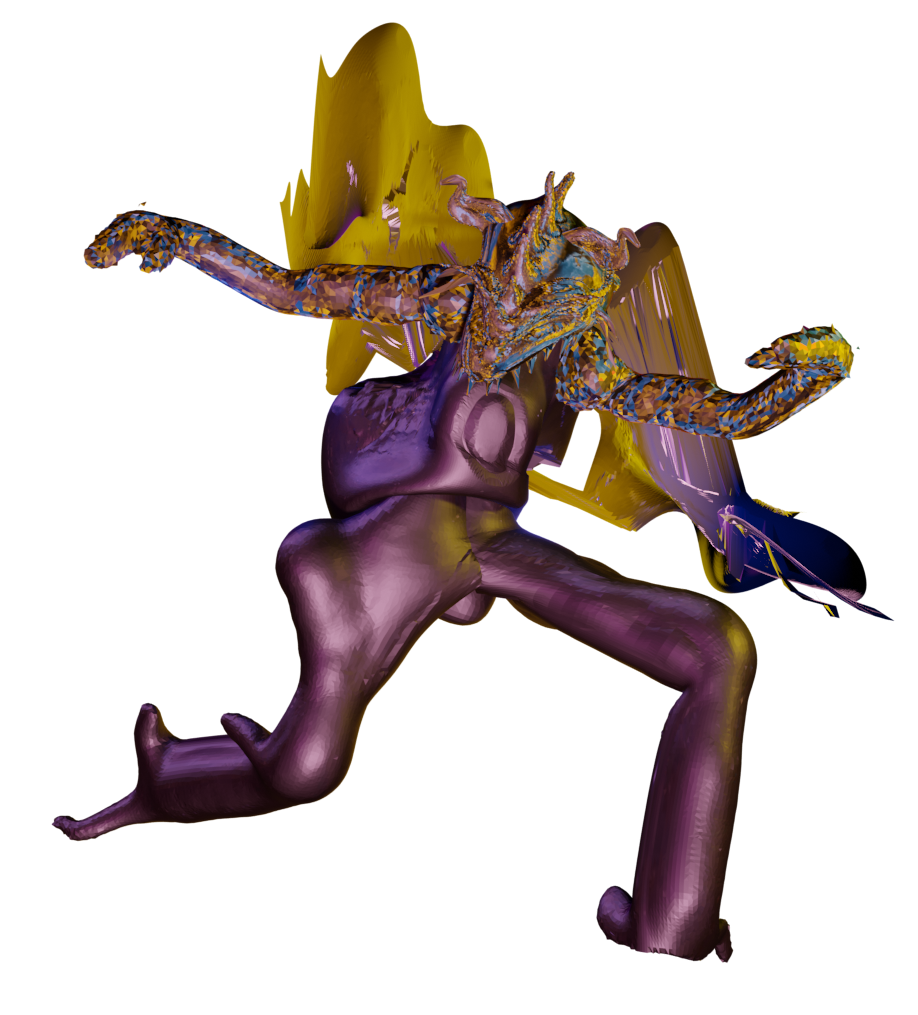
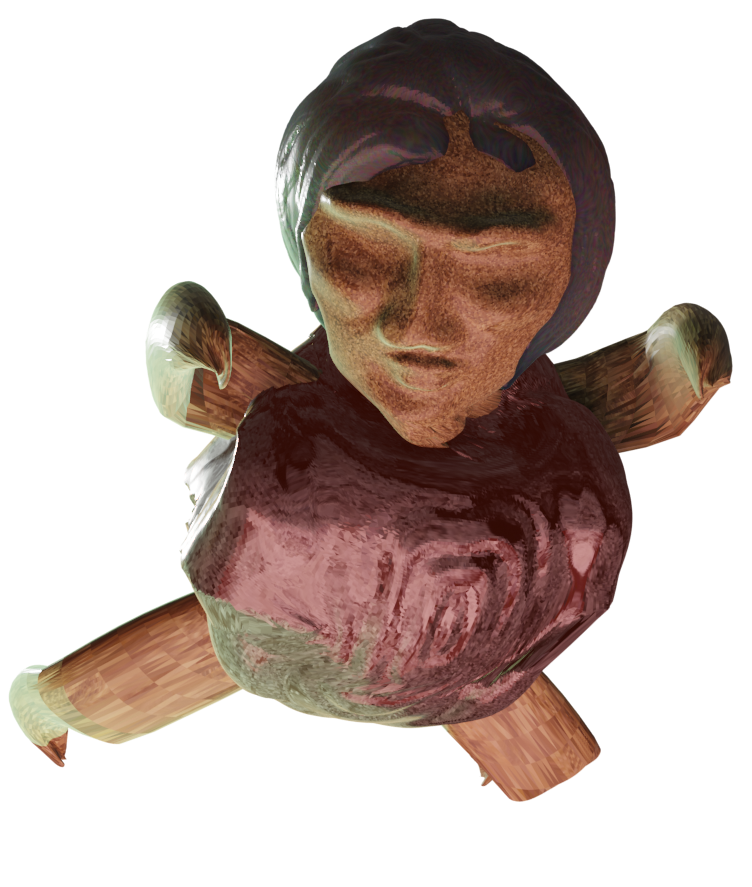
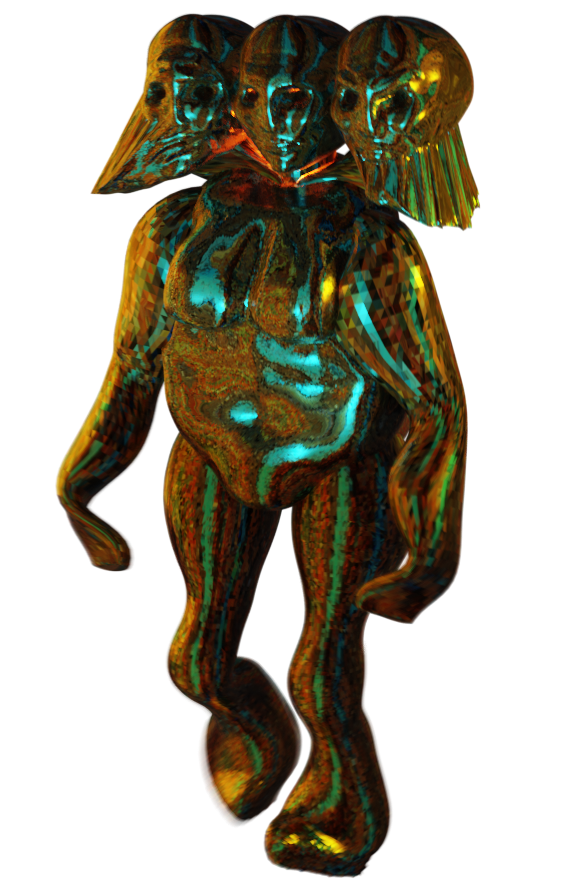
The neurodivergent The artist The fairy dragon
The woman The feminist
Creating the forms
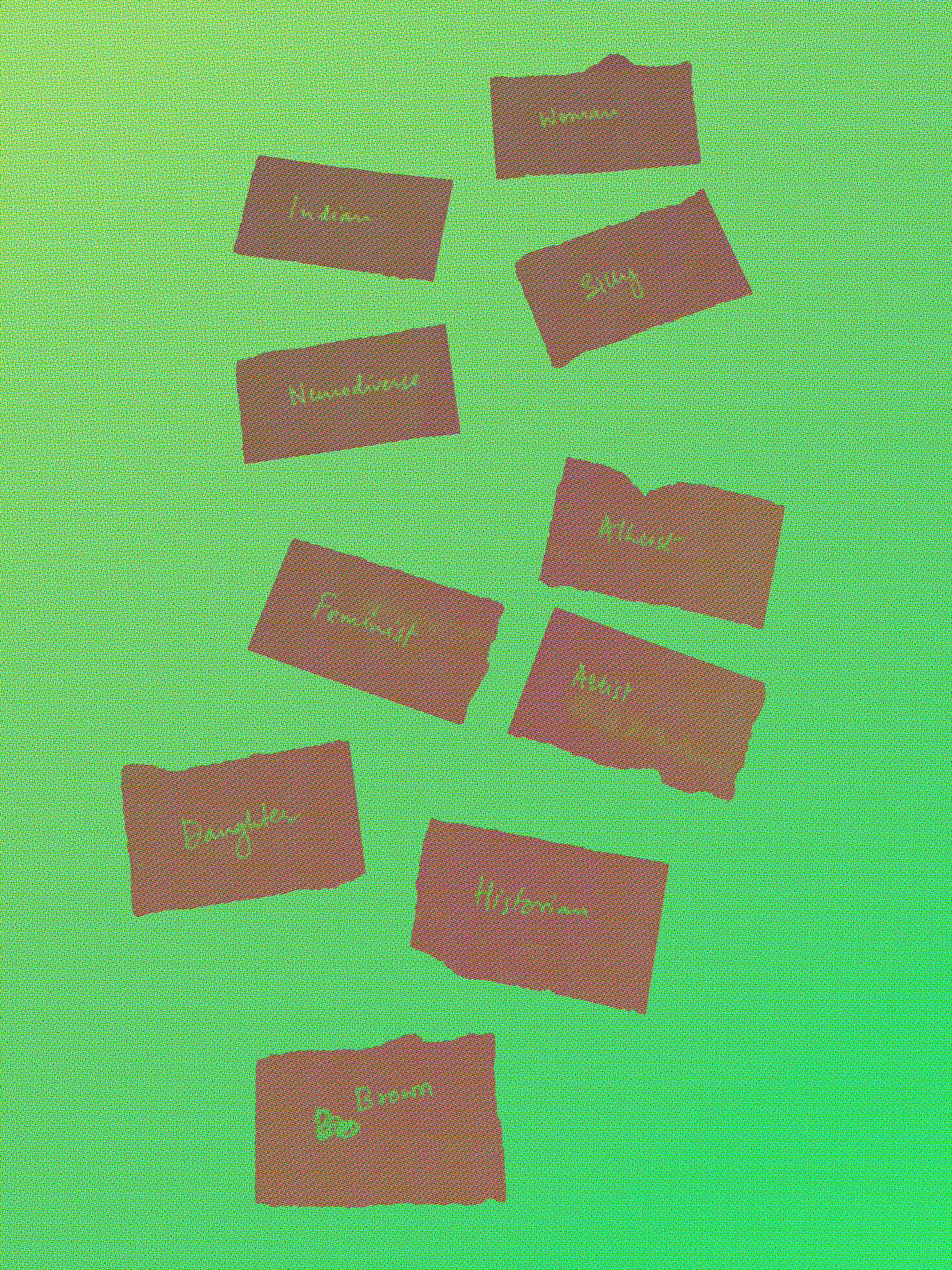
I began this exercise by dividing a piece of paper into eight and writing down the various things I identify as. But I struggled to visualise them for several months. Each expression and each material brought something different out. Working with old photographs and photoshop, I tried to visualize some of my identities only to discover the medium was not very pliable. It moved me further from the feelings and ideas I was trying to capture.
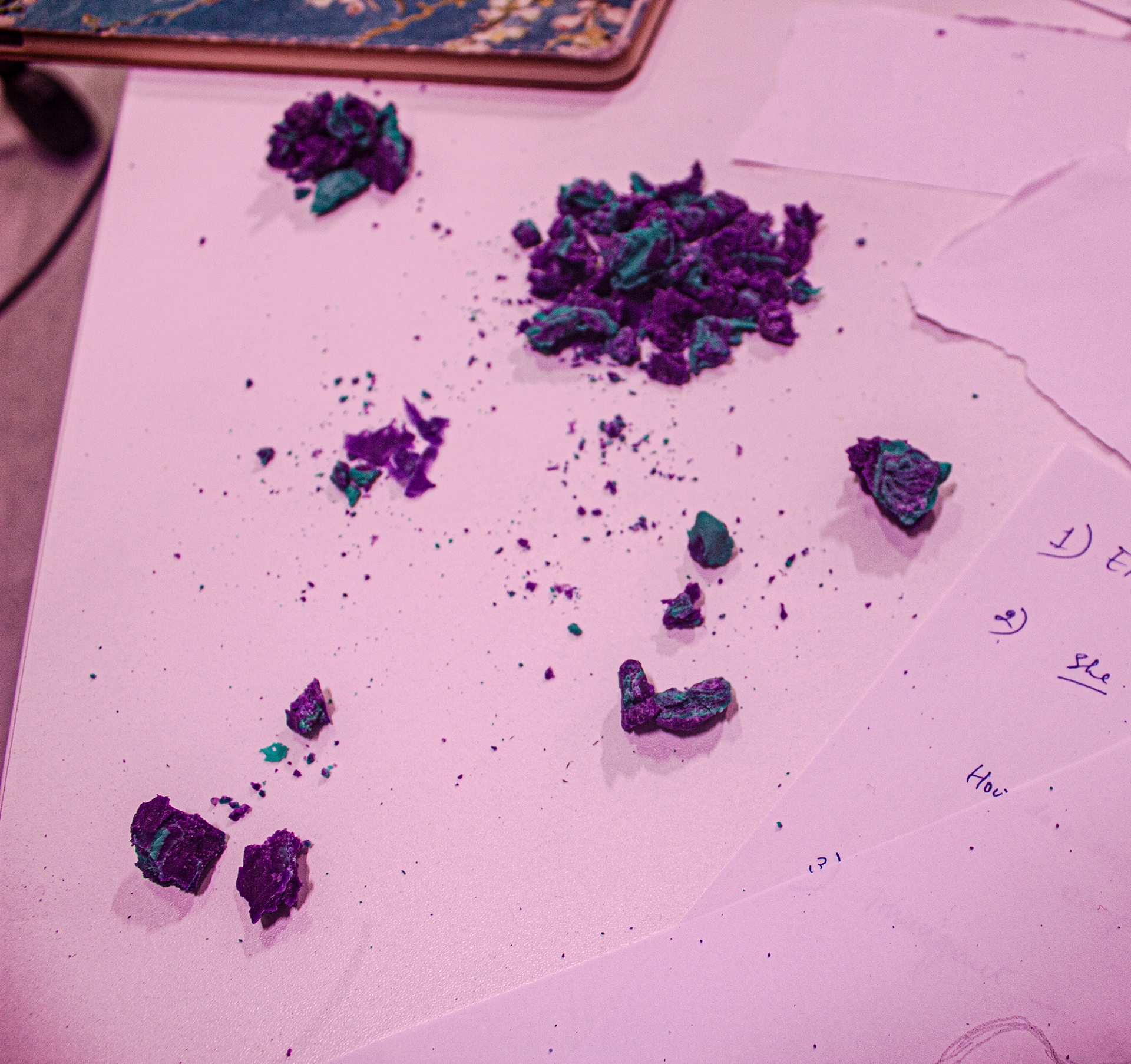
Thereafter, I conducted an experimental workshop where I asked each participant to follow the same process and write down all the identities they possess. Then I asked that each separate identity be visualized. Everyone used play-doh I provided and I also participated. With dried-up bits of play-doh at the workshop, amidst all the other participants struggling to shape their own identities, I found more success in extreme abstraction. Through the tiny and strange little shapes and clumps I made as we talked through the workshop, I was surprised to find that I had reasons for aligning one clump against another. The part of me that identifies as a woman was one small piece trying to balance two others on it. The part of me that identifies as a feminist was a collection of clumps and flakes.
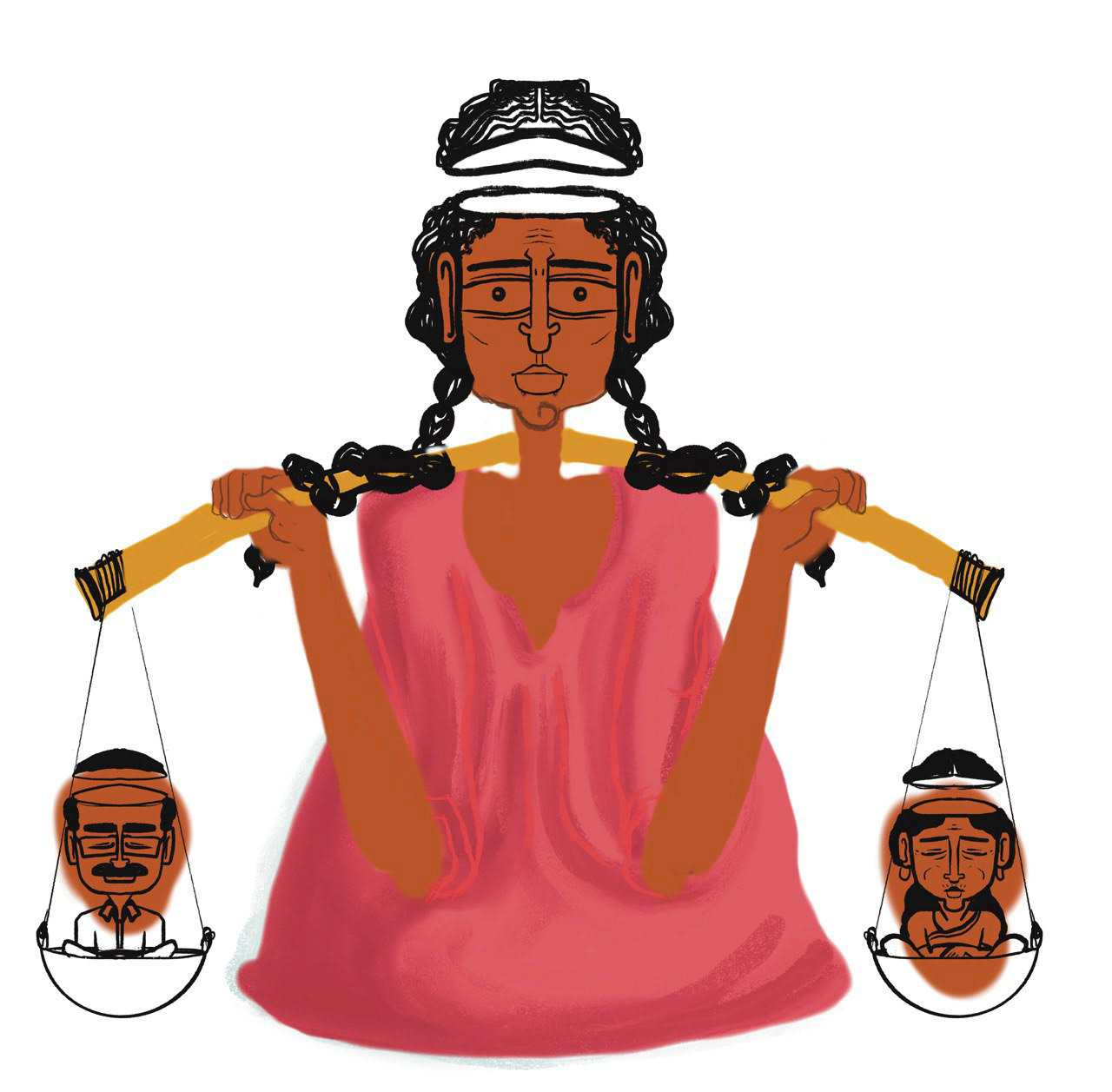
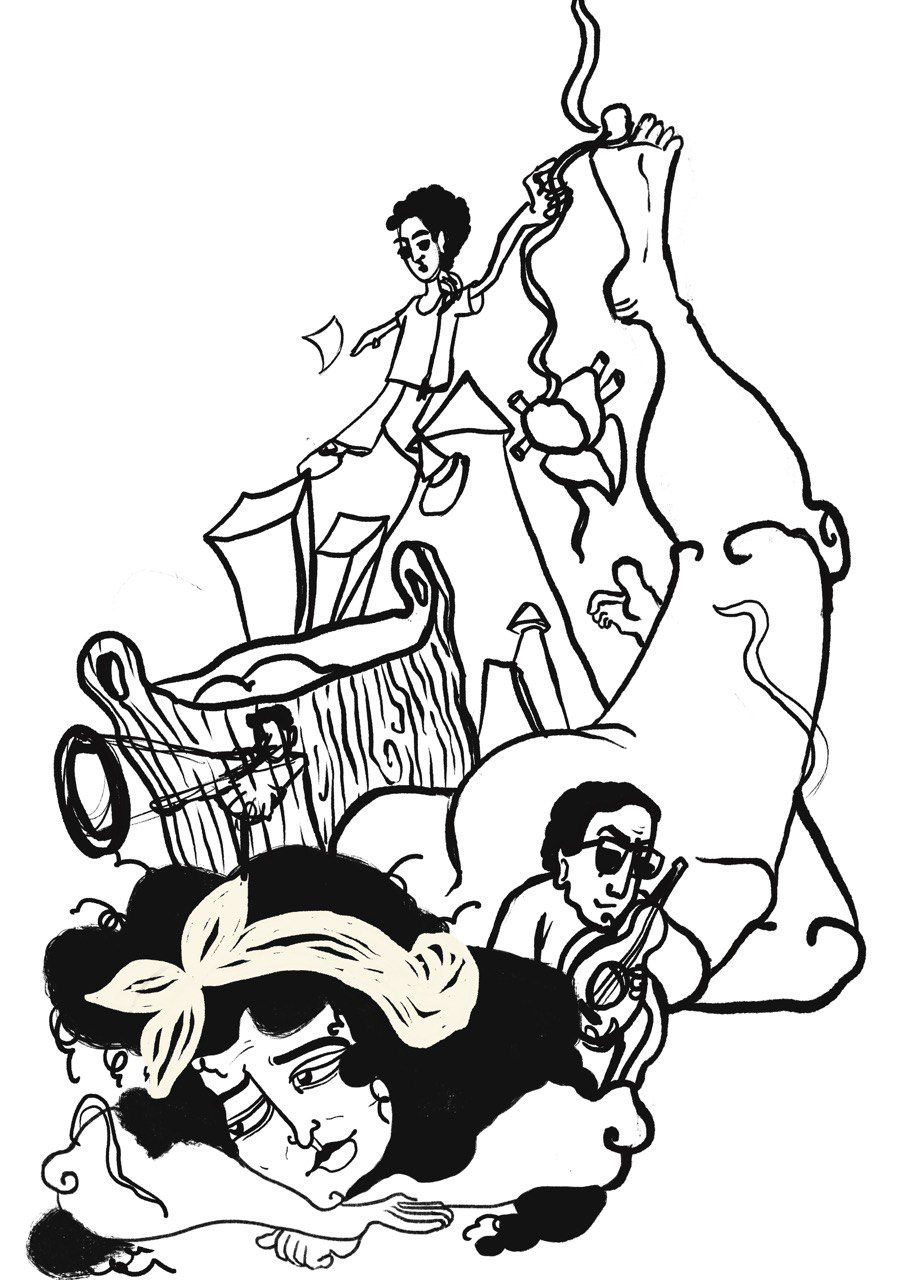
I understood that how I saw my identities was directly shaped by my emotional experience of inhabiting them. Then I tried making sketches based on the trains of thought I had outlined with the dried-up play-doh. But they became too literal and they did not visually represent what I was trying to express. Plainly, they were not evocative enough. Eventually, I turned to 3D modeling and found better expression in the five identities I developed above.
Using Words, Anthropomorphic Characters
and Movement
and Movement
Initially, I had wanted this to be a 2D piece because I wanted to bring back elements from my practice before I started this MA. However, when I turned to 3D and started sculpting them, I can't say I had any specific image in mind. I simply asked myself, what does this part of you make you feel? What does this part of you do for you? I began to write something between prose and poetry. And then, the figures emerged based on both their functions and the feelings they invoked in me. That anthropomorphic characters emerged was ultimately not surprising, as most of my 2D work from before imagines women as hybrids with other creatures or objects – turtles, boats, trees, elephants, fish etc. Intuitively, I had brought these elements back, even though I was working with 3D.
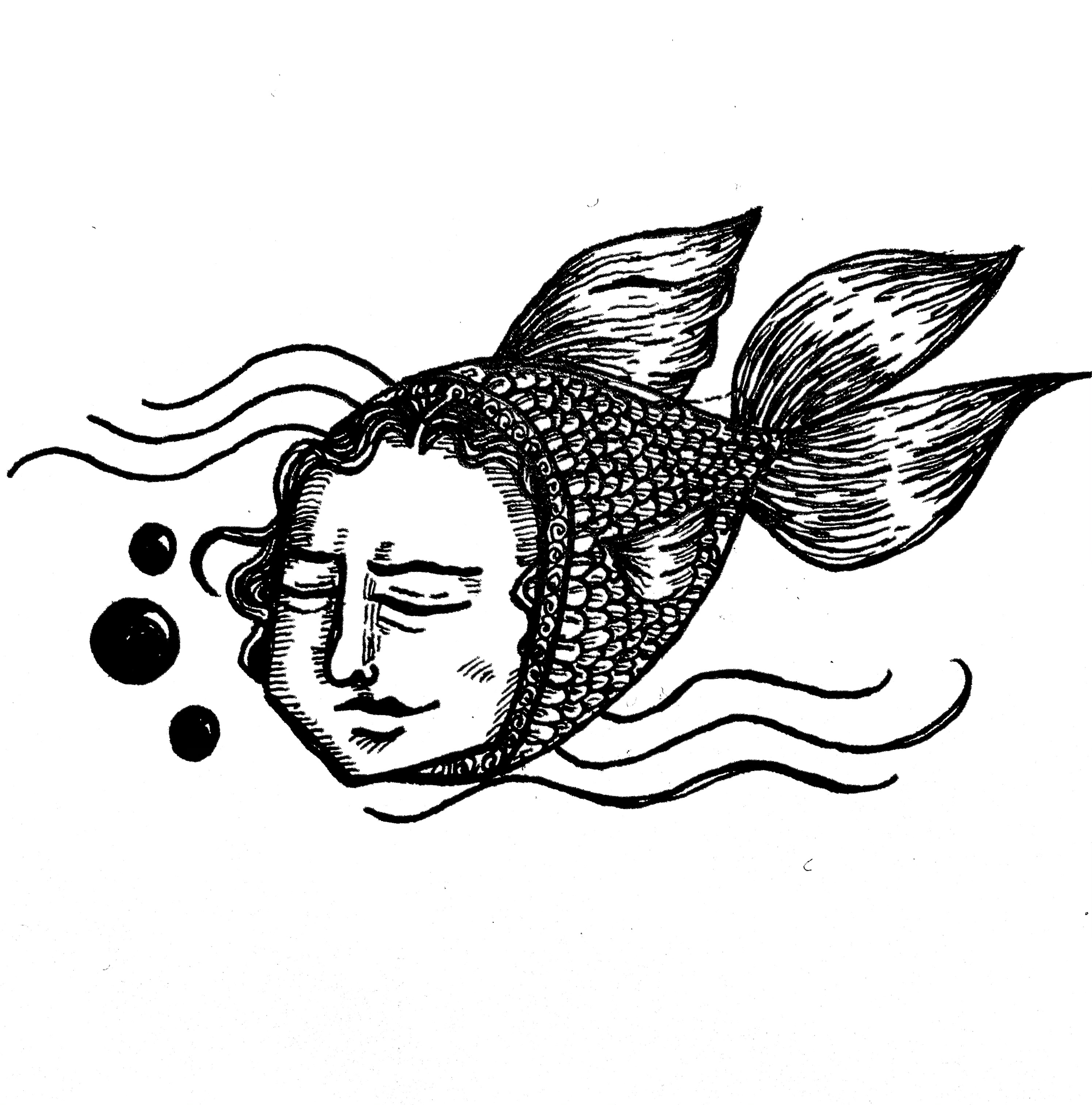
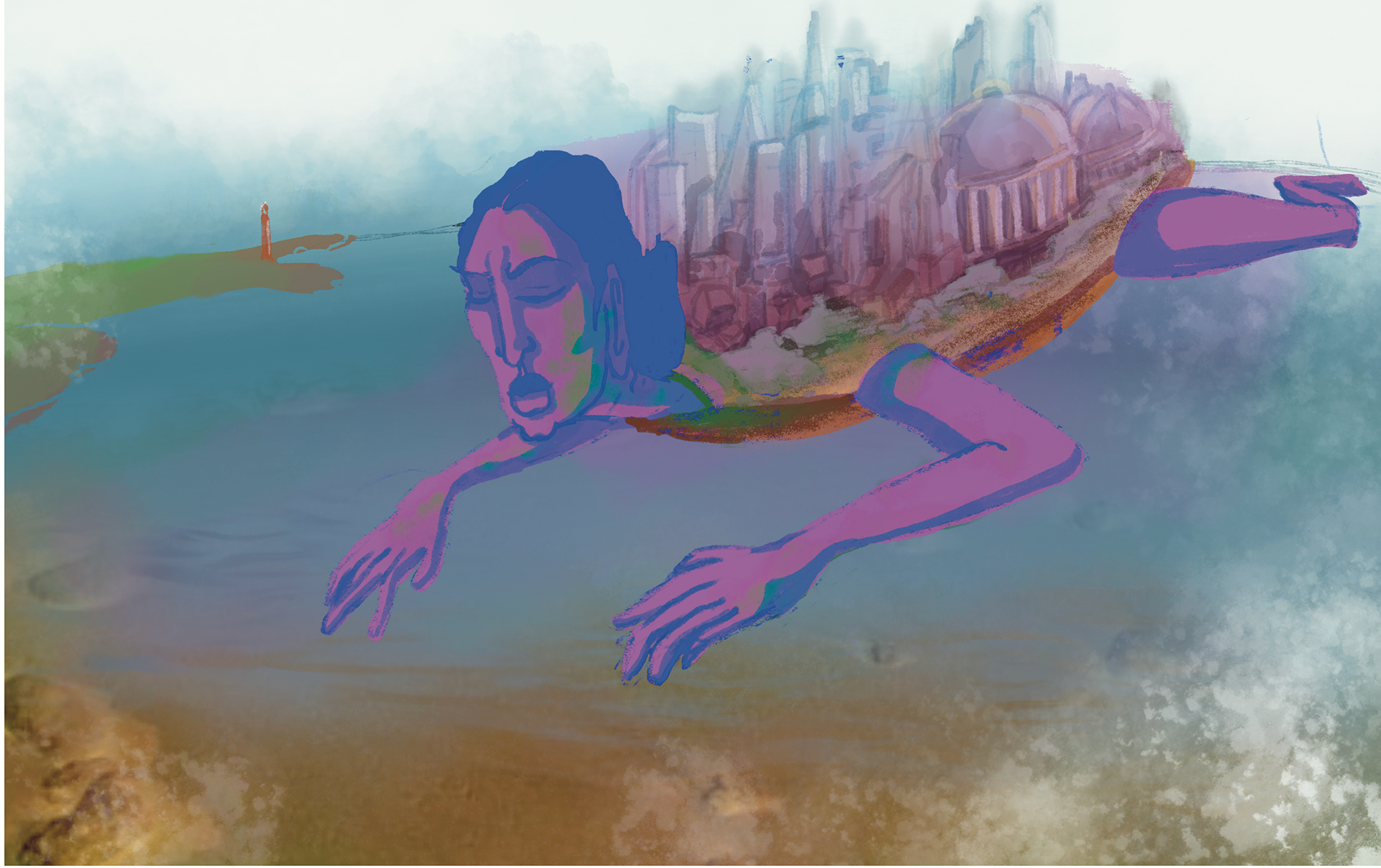
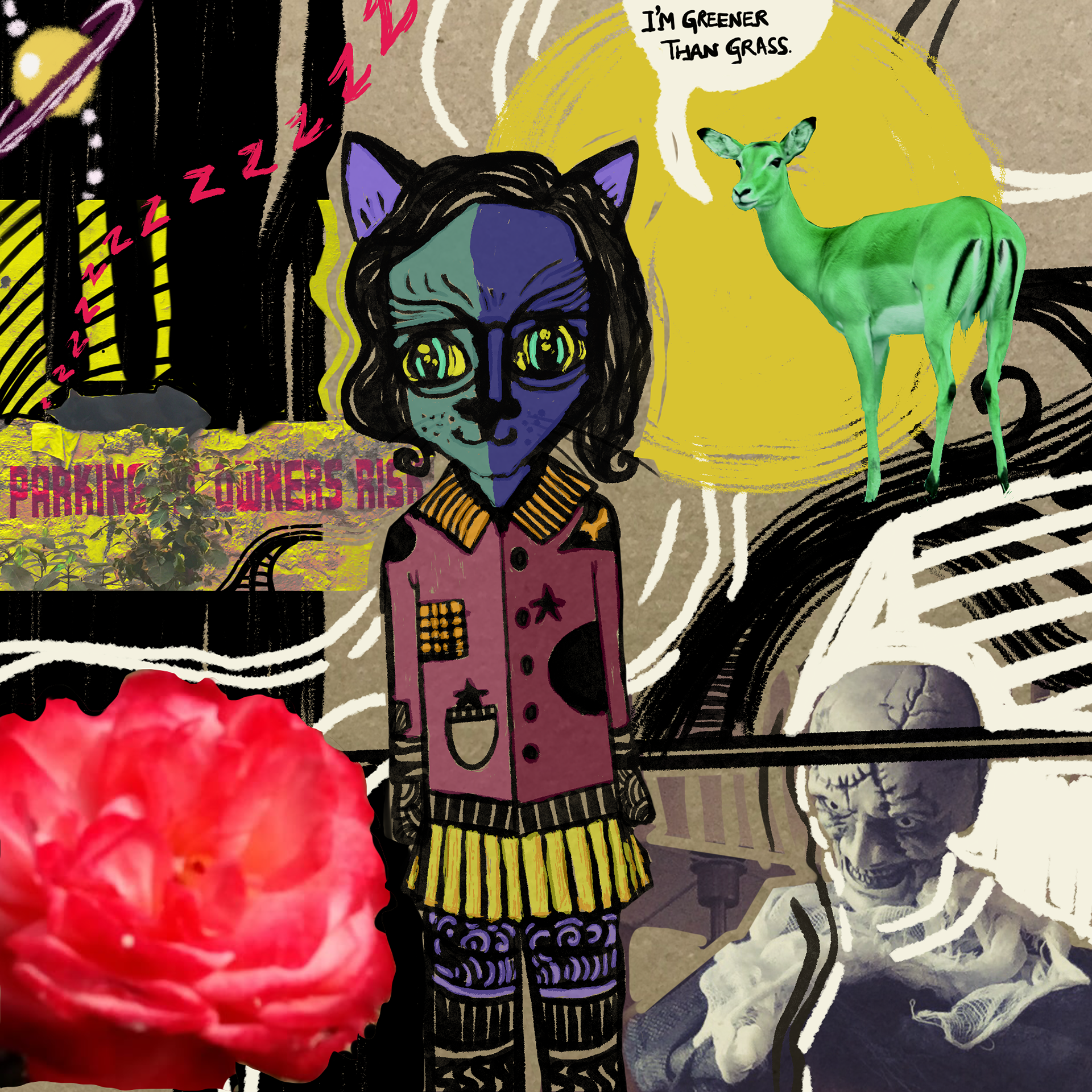
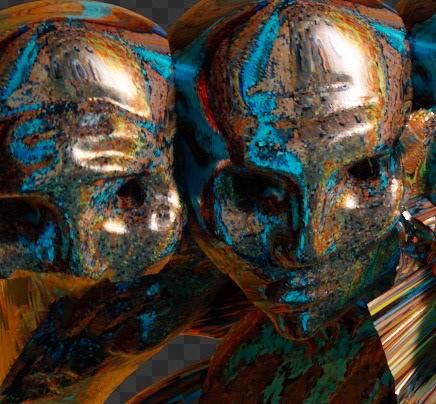
Movement became an important aspect of these 3D beings. When I was animating them, I found that the movements I chose for them echoed the feelings that they invoked in me and the functions they served for me. The neurodivergent is a bit of a wildcard – sometimes spinning hopelessly out of control. The artist is the one that is like a golem – almost formless, clayish but protecting and nurturing with its magic. The fairy dragon is silly but resilient – adamantly roaring and refusing to submit. The woman is tired. She swims long distances and carries quite a lot. But she sighs, and she keeps moving. The feminist with its three heads, is the eternal. A behemoth who marches through vast swathes of time, looking the future in its face.
Using Personal Libraries and Audio
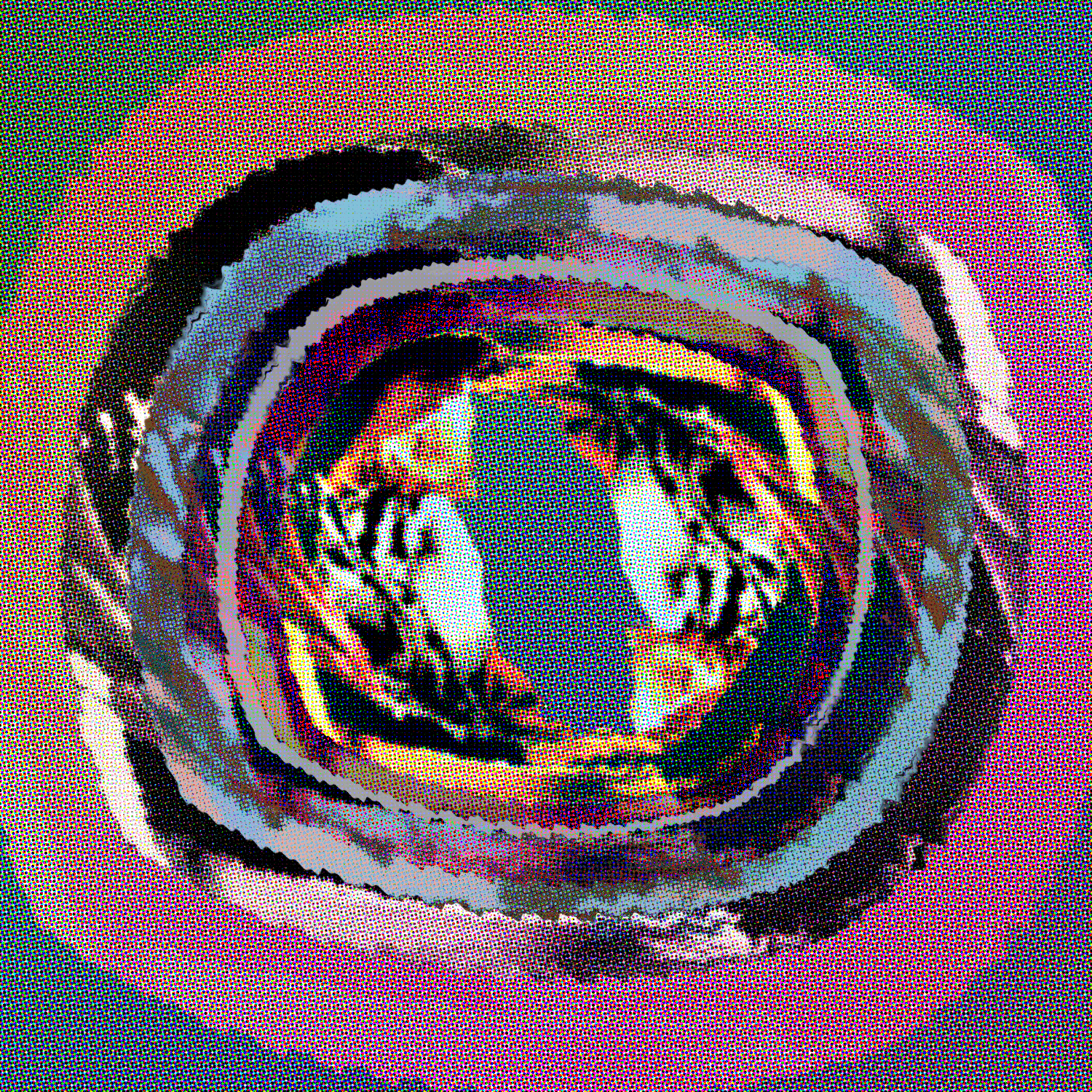
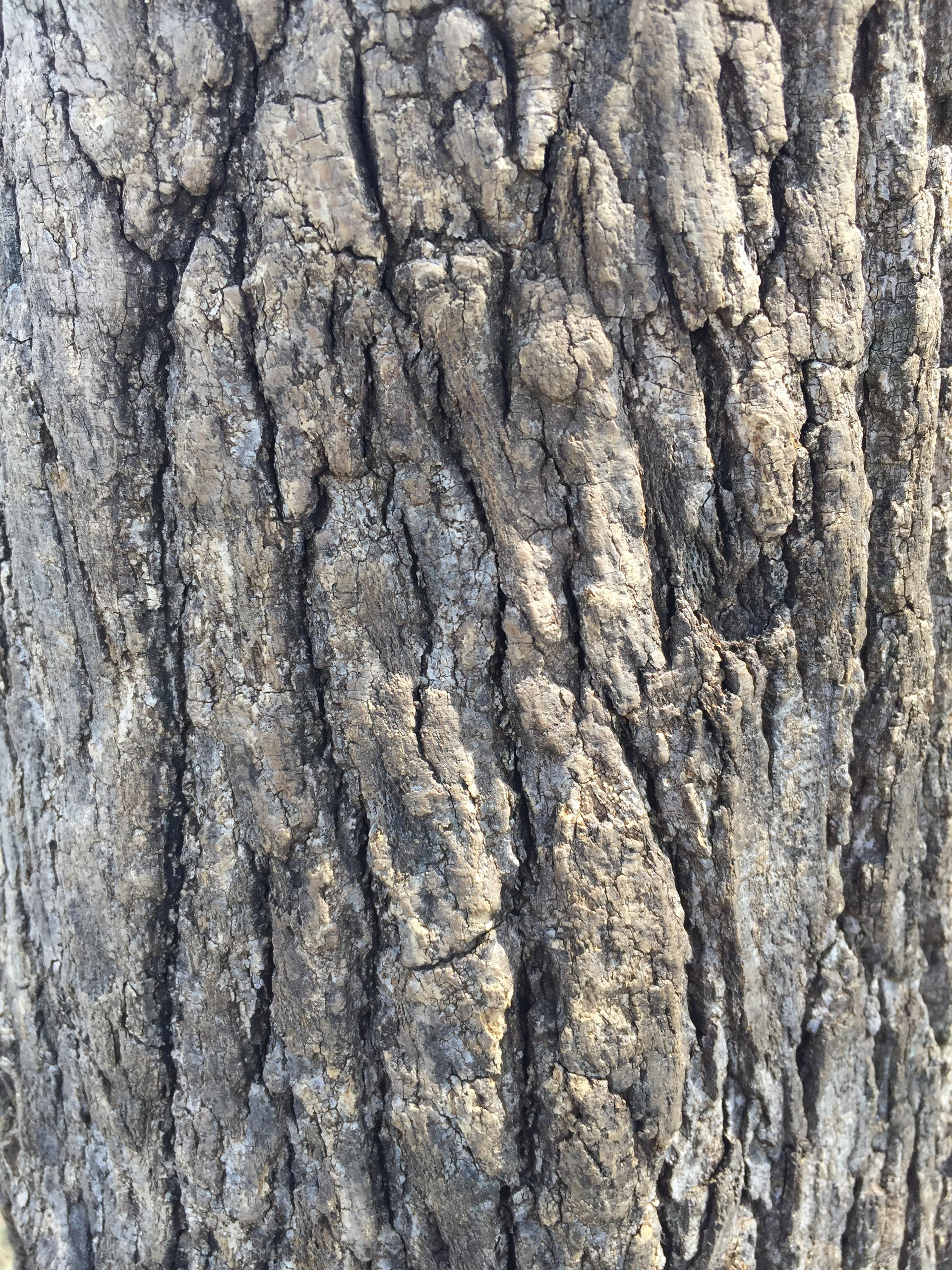
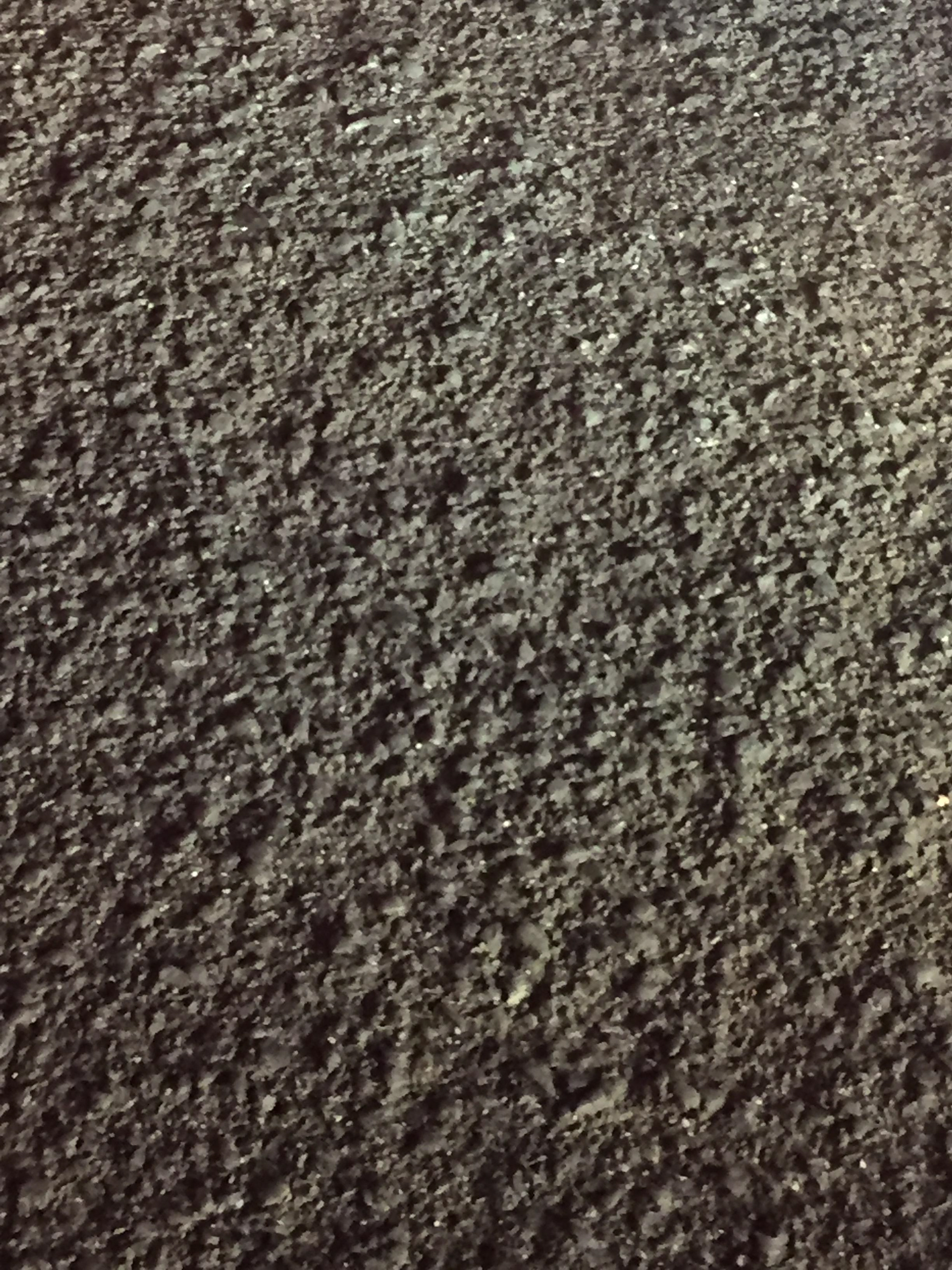
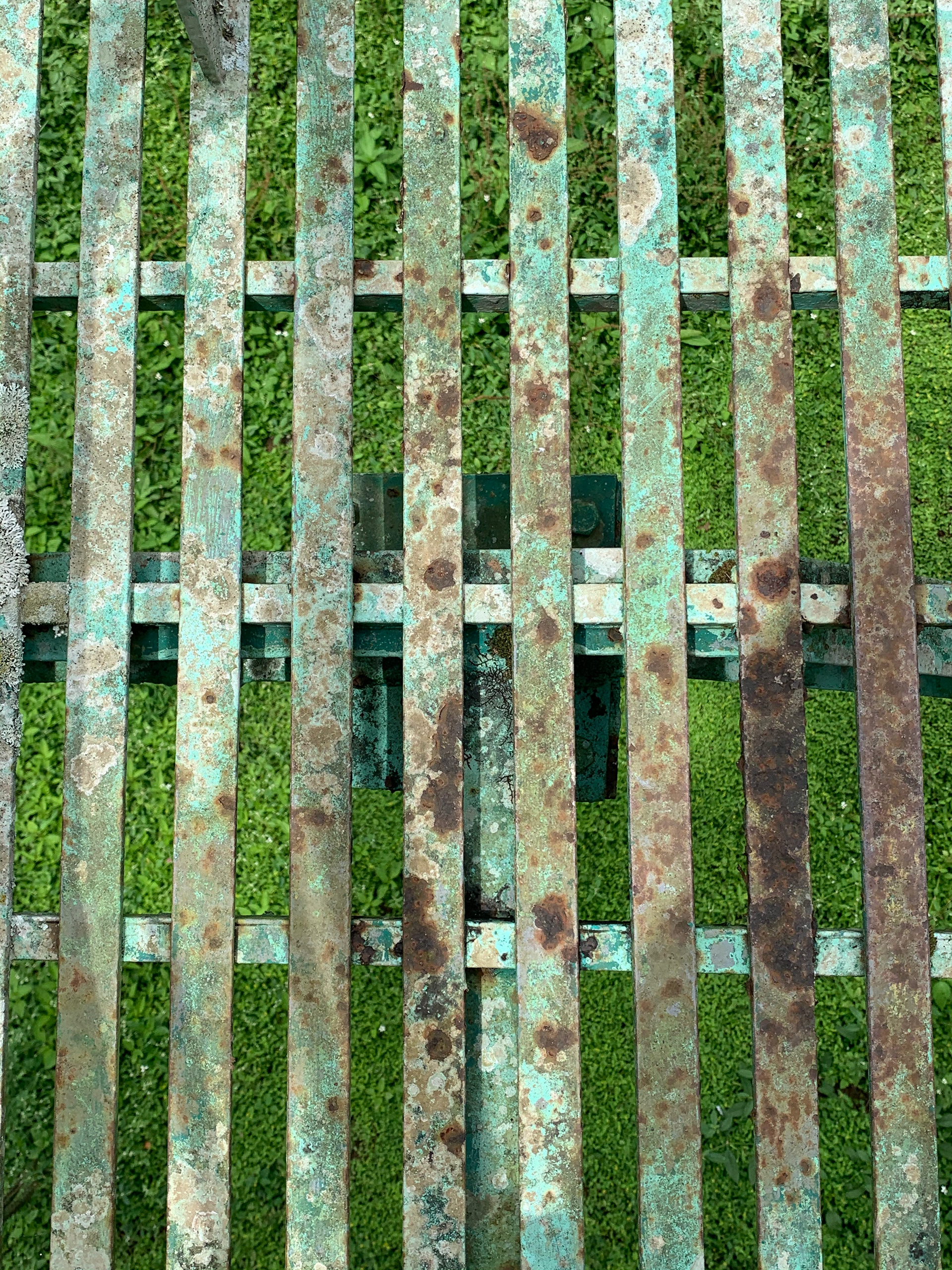
For more than a decade, I have been photographing textures I found interesting. I never knew why I was doing it. I always told myself that I may use them to draw over sometimes – they might make an interesting background. Finally, after all these years, these textures have revealed their purpose by becoming the skins of the identity creatures. On Blender, I was able to use the textures to add a layer of meaning to each identity. The layered, woodlike neurodivergent, the clay artist, the glassy fairy dragon, the stone-like woman, and the metallic feminist.
I looked to my personal libraries again for videos I had shot in different landscapes. Each landscape represented an emotional state in a separate geographical location. I began to think of these identities and traveling through space and over time, but also through a variety of emotional landscapes. Now, these emotional landscapes were shared with some of my friends and acquaintances and they are as much a part of them as I am. So when I was designing the audio for this piece, I asked them to say a few words about those identities we shared in those landscapes. And therefore, though this piece began as an exploration of myself, it also became about all of the women who have shared my experiences.
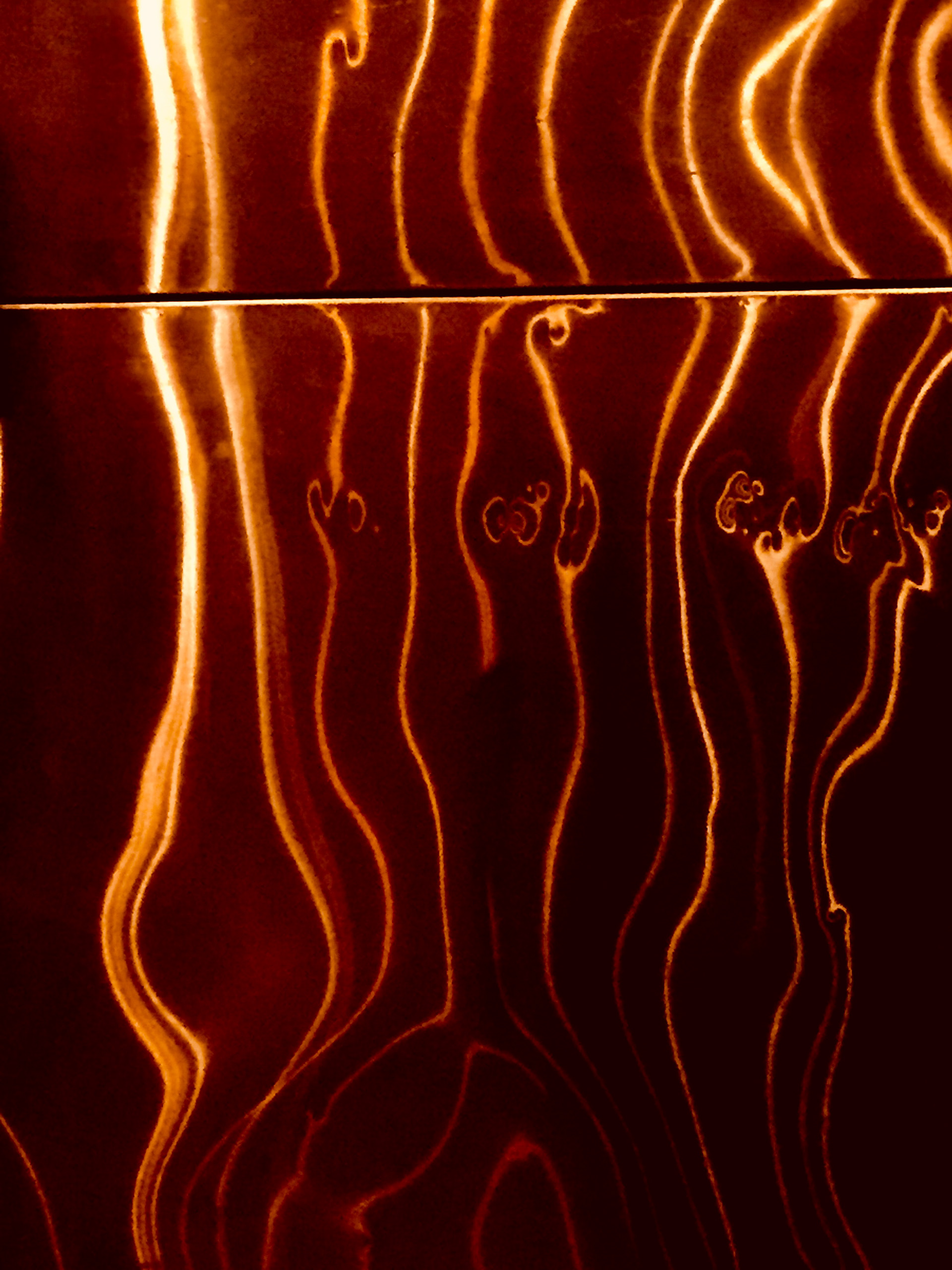
Using a silhouette
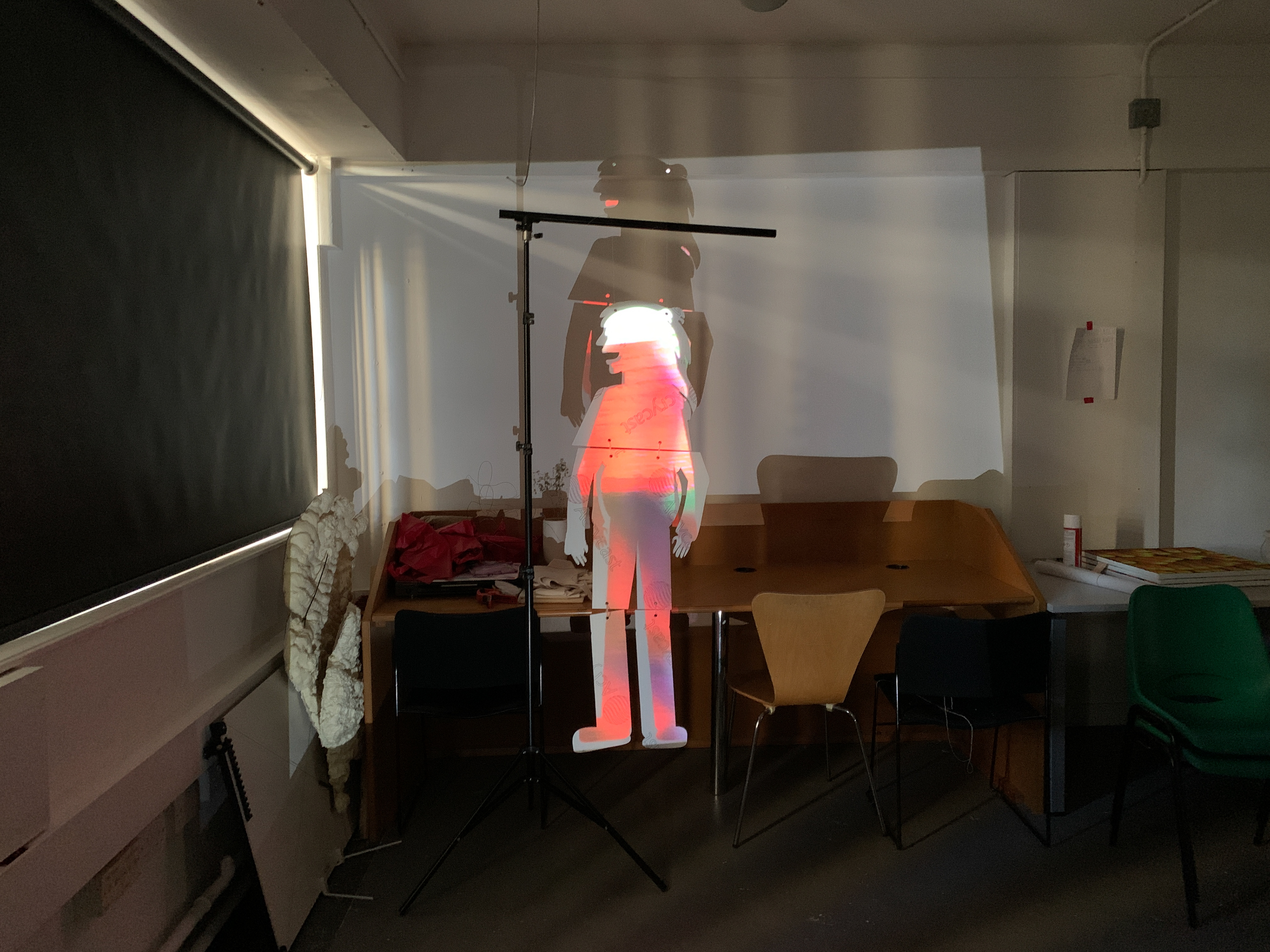
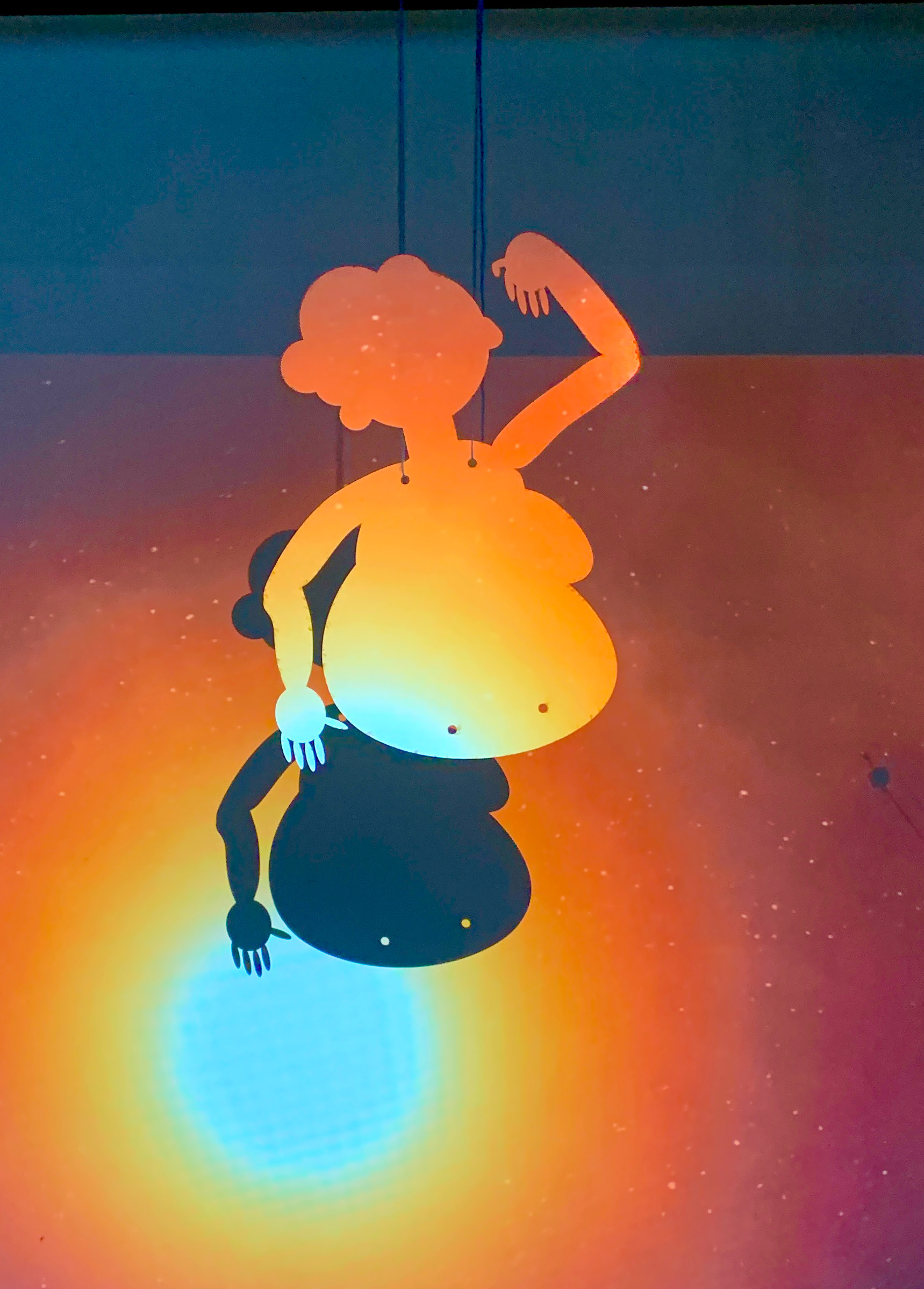
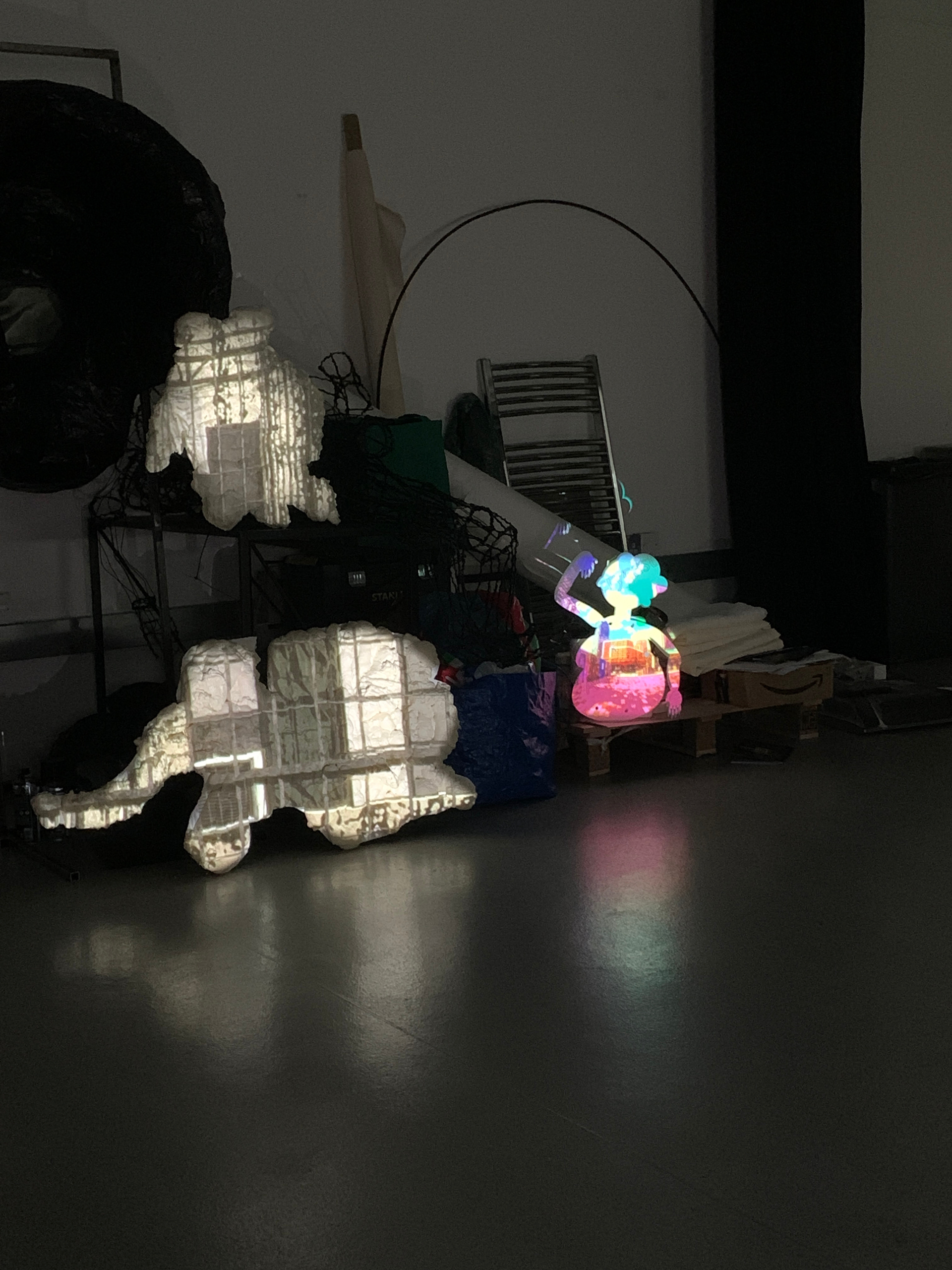
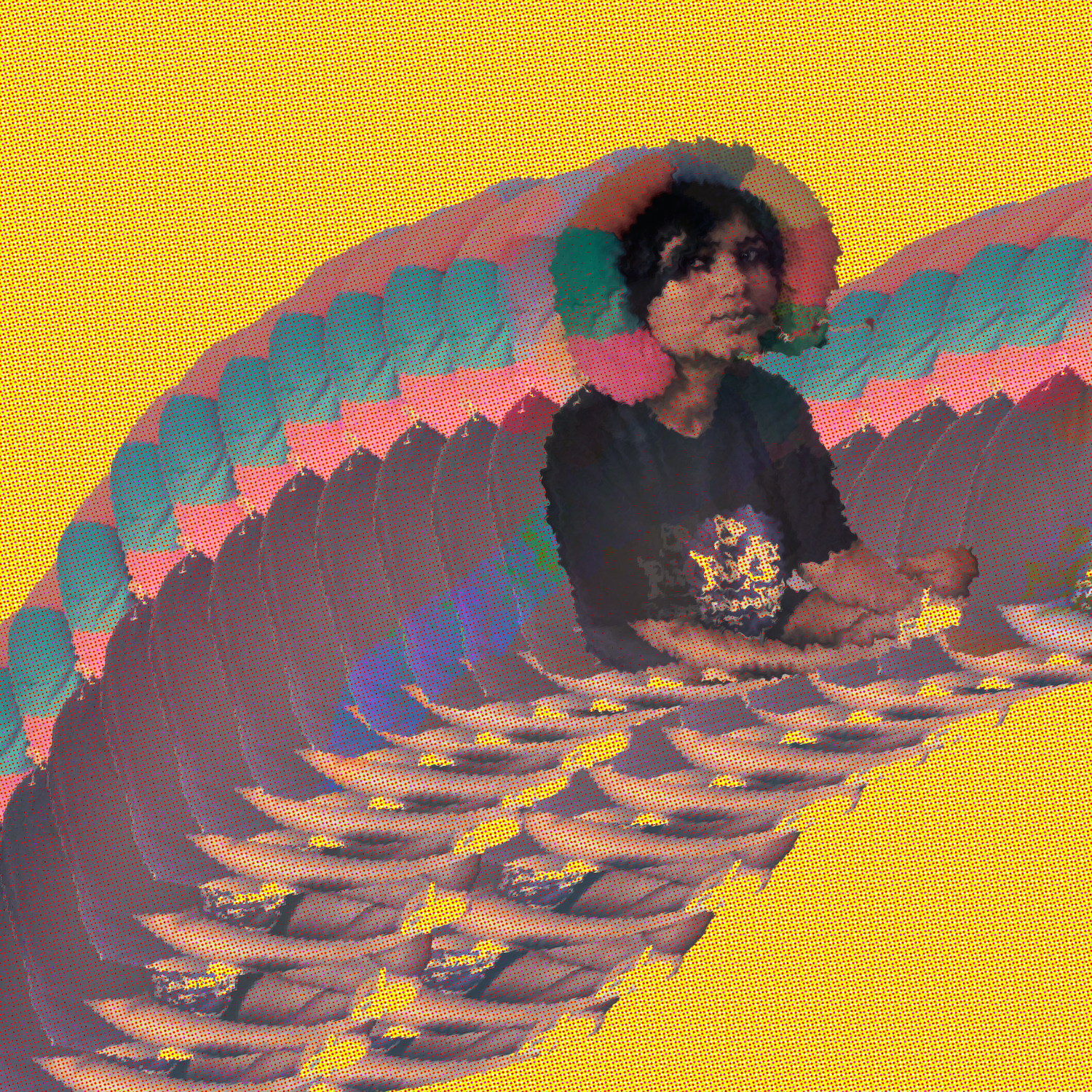
From quite early on, I wanted to use a silhouette because I liked the idea of an excess being contained within a defined space. There is always so much more to people than meets the eye. I wanted that sense to translate into the work. To the right are some of the images of tests I have done with the laser-cut silhouettes I designed. Even when we don't consider an external gaze, the way in which the silhouette inhibits the full video shows how we do not often fully embody all of the identities we come with.